Destinations & Culture
Mount Toubkal: Complete Guide to Climbing North Africa's Highest Peak
Route, difficulty, seasons, refuges, guides and preparation: an honest, practical guide to climbing Jebel Toubkal (4,167 m) from Imlil.
Atlas Trek TravelPublished 4 min read
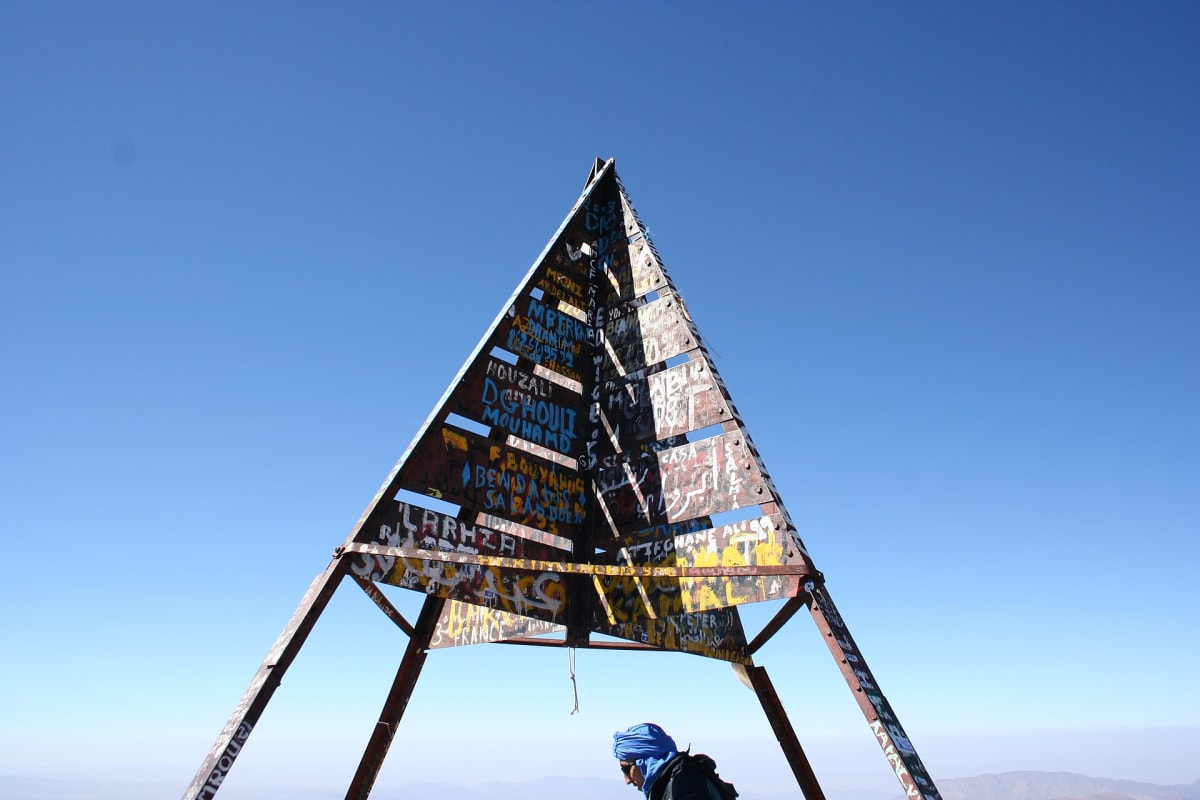
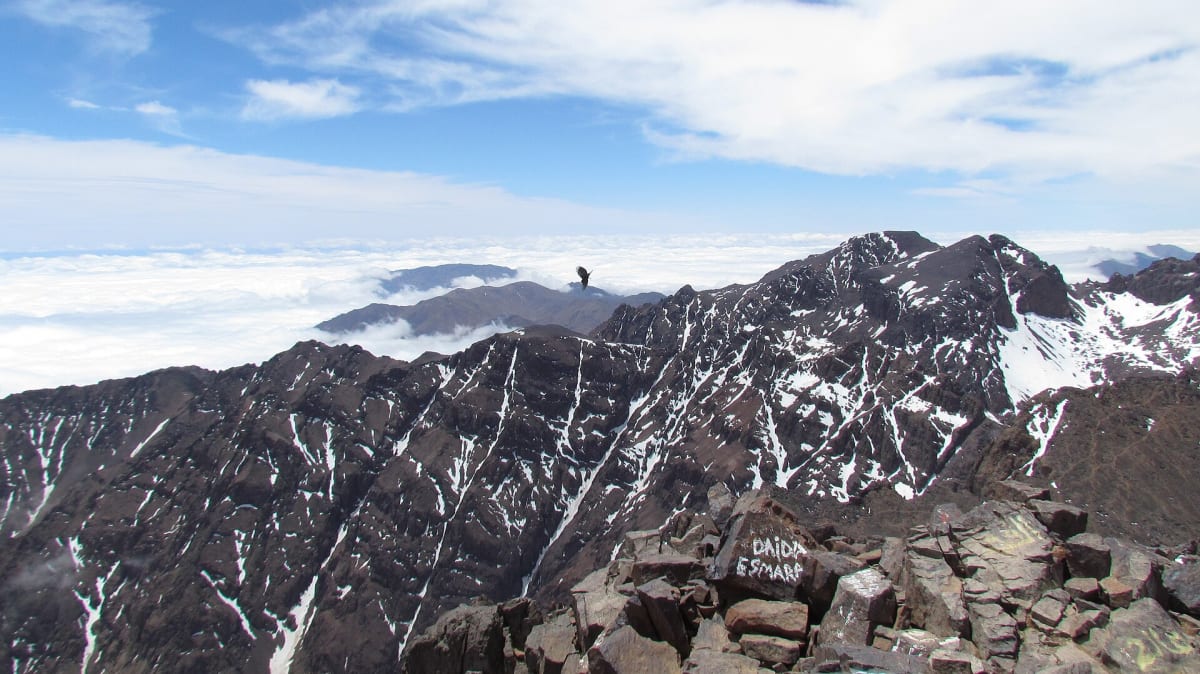
At 4,167 metres, Jebel Toubkal is the highest mountain in Morocco and in all of North Africa. Every year thousands of walkers set out from the village of Imlil to reach its summit, marked by a metal pyramid with views across the entire High Atlas. Toubkal is often described as an "easy" 4,000-metre peak — and in the right conditions, it is one of the most accessible high summits in the world. But "accessible" is not the same as "easy".
This guide gives you a clear, honest picture of what climbing Toubkal involves, so you can decide how — and when — to do it.
Where is Toubkal?
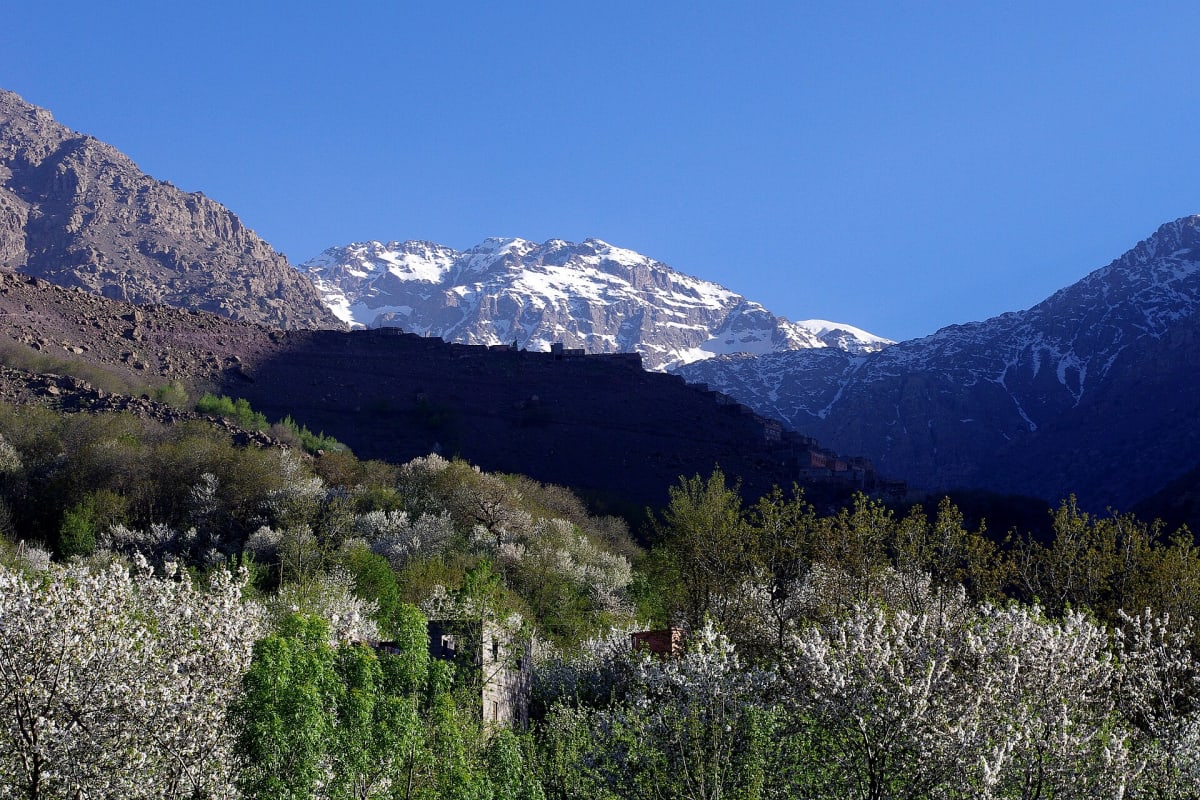
Toubkal stands at the heart of Toubkal National Park, created in 1942 as Morocco's first national park. The summit lies roughly 10 kilometres south of Imlil as the crow flies, and about 65 km by road from Marrakech to the trailhead. Several neighbouring peaks of the massif also exceed 4,000 metres, which is why the area is the most important high-mountain destination in the country. Our Mount Toubkal destination page gives a broader overview.
The standard route from Imlil
The classic ascent follows the Mizane valley and is usually done in two days.
Day 1: Imlil to the refuge
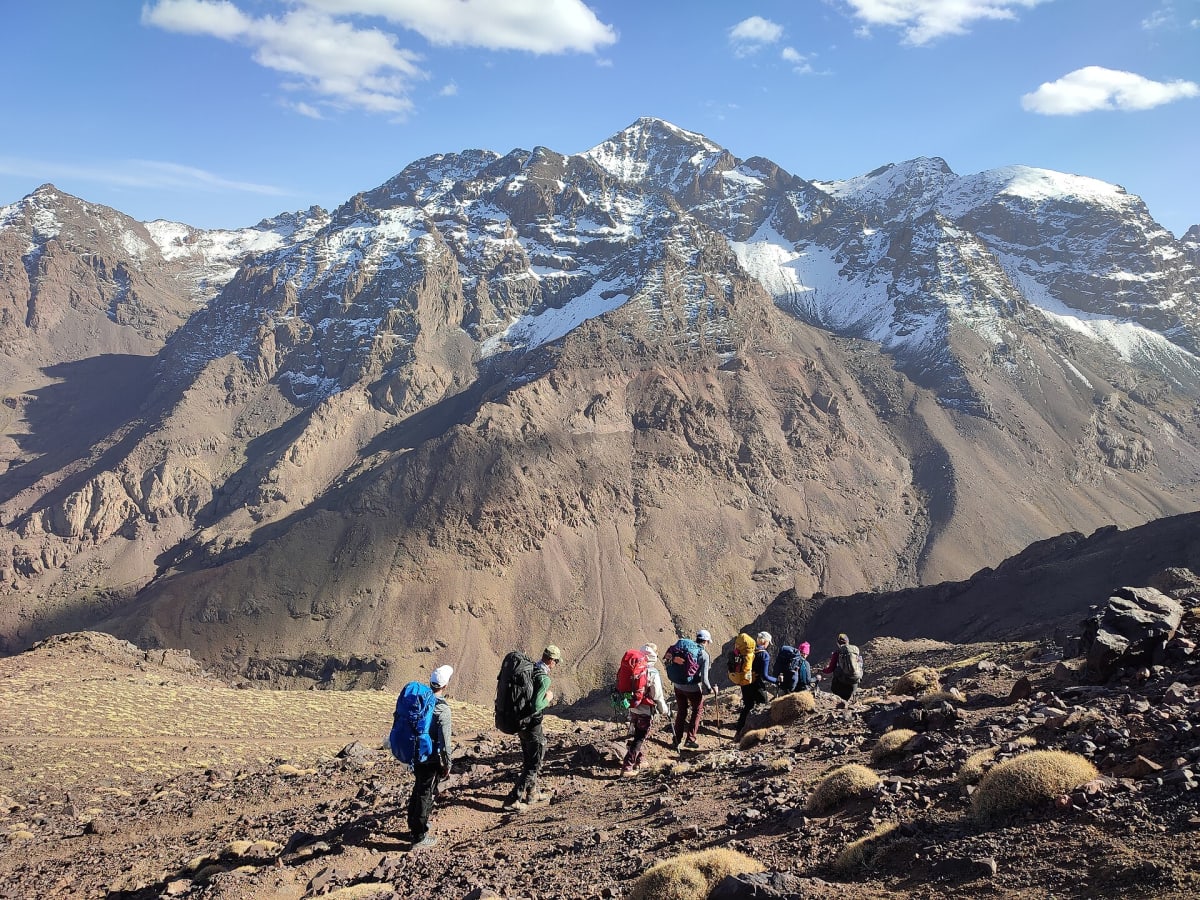
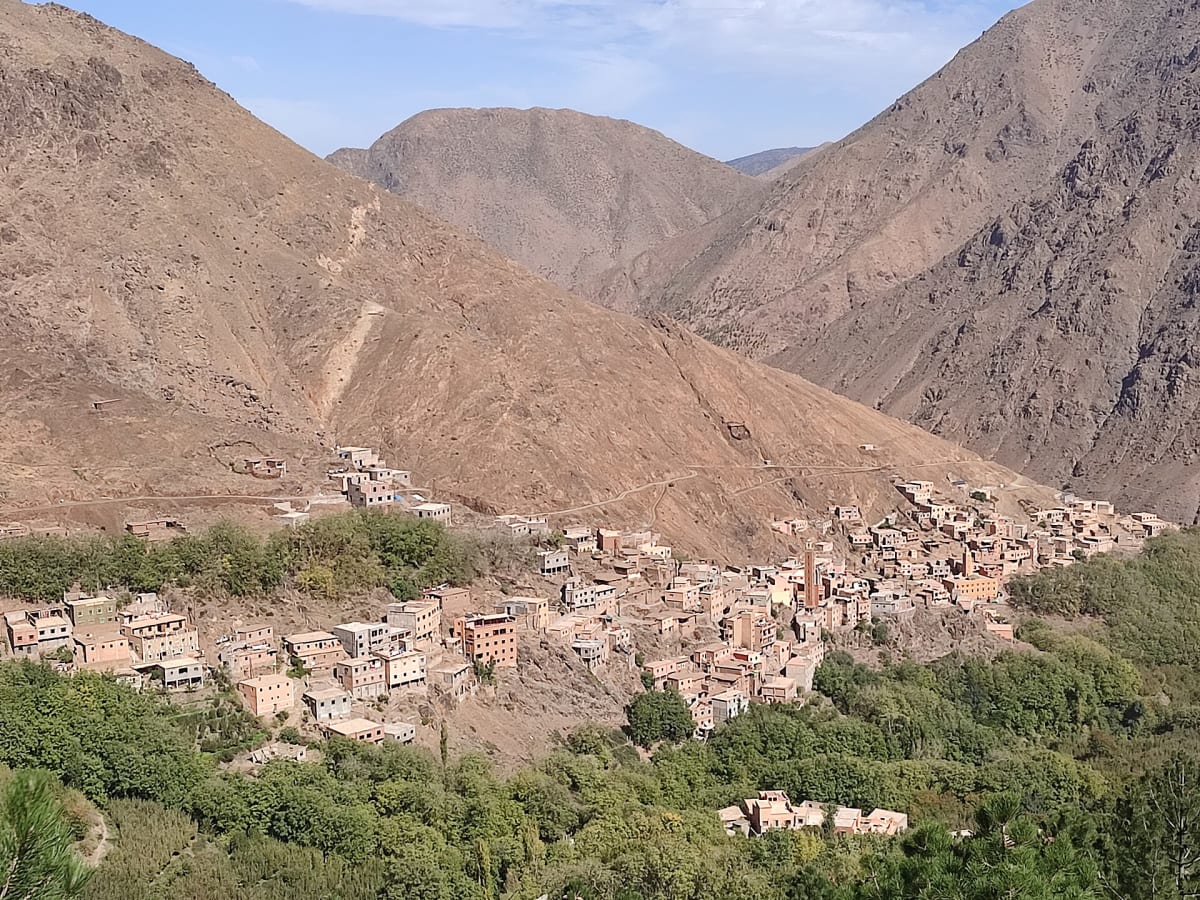
From Imlil (about 1,740 m), the trail climbs gently to the village of Aroumd, crosses a wide stony riverbed and continues up the valley to Sidi Chamharouch, a small shrine visited by local pilgrims, where simple stalls sell drinks. Above it, the path zig-zags steadily up the valley side to the mountain refuges at around 3,200 metres. Most people take five to six hours, including breaks. Mules usually carry the main luggage.
Day 2: Summit and descent
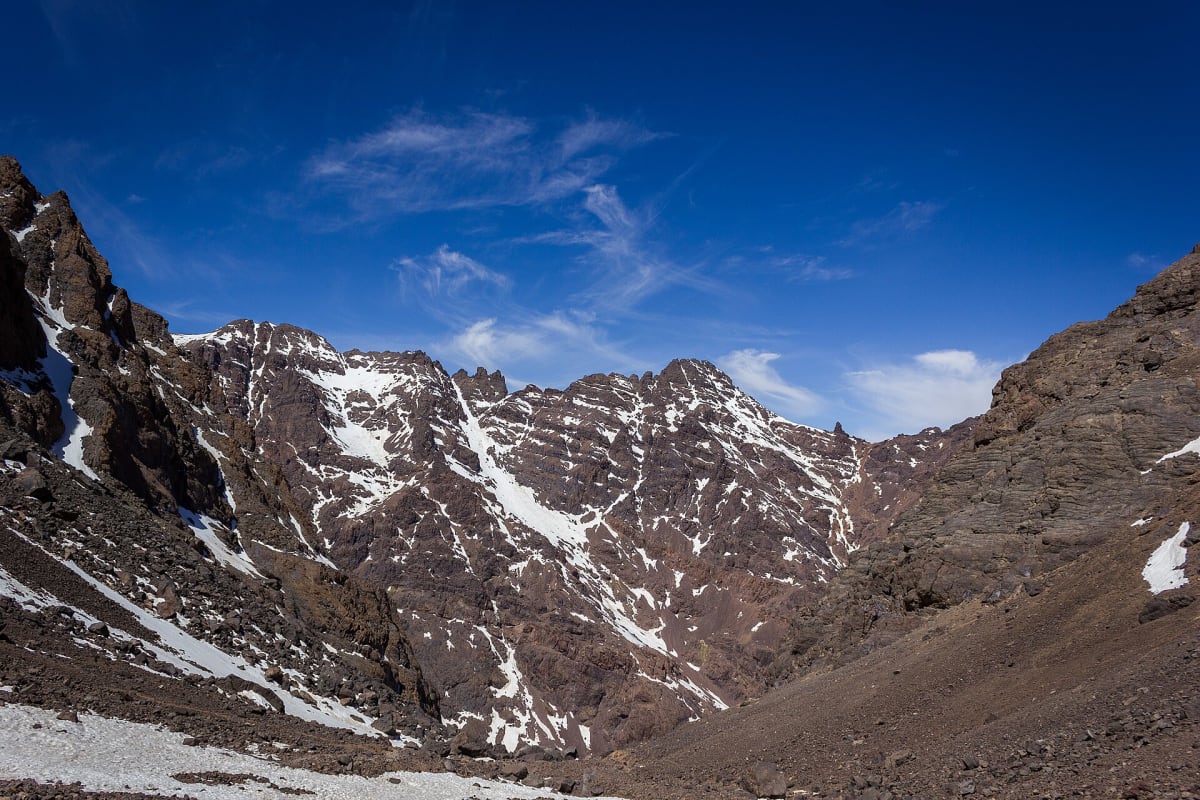
The summit day starts early, often before dawn. From the refuge, the route climbs the south cirque: a long ascent over boulders and scree to a col, then along the summit ridge to the top. The climb typically takes three to four hours. After time at the summit, you descend to the refuge and continue all the way back to Imlil. It is a long day — commonly nine to eleven hours in total — and the descent on tired legs is often harder than people expect.
How difficult is Toubkal?
In summer conditions, the normal route is non-technical: no ropes or climbing skills are required. The difficulty comes from three things:
- Altitude. Above 3,000 metres, many people feel breathless, and some experience headaches or nausea. Going slowly and staying hydrated help; a third day helps even more. The NHS has a clear overview of altitude sickness symptoms.
- Terrain. Scree and boulder fields are tiring and require concentration, especially on the way down.
- Duration. The summit day is long. Good general fitness matters more than strength.
If you are wondering whether the climb is realistic for you, read our honest answer to is Mount Toubkal suitable for beginners?.
Do you need a guide?
Since around 2018–2019, hikers in the Toubkal area have been expected to be accompanied by a licensed local guide, a rule widely reported after a tragic incident in the region. We recommend confirming current requirements when you book. Beyond the rule, a guide manages pace and acclimatisation, reads the weather, knows when to turn back and handles the logistics of refuges and mules. We explore the question further in guided trekking vs independent hiking.
When to climb Toubkal
- Late spring to autumn (roughly May/June to October) usually offers snow-free, non-technical conditions.
- Spring can bring lingering snow on the upper slopes — beautiful, but sometimes requiring crampons.
- Winter turns Toubkal into a genuine snow ascent requiring crampons, an ice axe and experience.
Conditions vary every year, so our article on the best time to climb Toubkal explains the seasons in detail.
Refuges and accommodation
Trekkers usually spend the night at one of the refuges at around 3,200 metres. Facilities are simple: dormitories, shared bathrooms and meals prepared on site. Nights are cold even in summer, and the refuges are busy in high season, so organising your night in advance is important. Accommodation, meals and mules are logistics we confirm with you in your quote.
What to bring
In summer you need sturdy, broken-in boots, layered clothing including a warm jacket for the summit morning, a waterproof, sun protection, a head-torch and enough water capacity. Our dedicated Toubkal packing list covers everything, including what changes in winter.
Two days or three?
The two-day itinerary is the classic choice for fit walkers with limited time. But three days make a real difference: a first night lower in the valley allows better acclimatisation, shorter walking days and the chance to reach the summit for sunrise. Compare our Mount Toubkal 2-day trek with the Toubkal sunrise summit in 3 days.
Respecting the mountain
Toubkal is a national park and a place where people live and work. Carry your rubbish down, use the toilets at the refuges, keep to the paths and be patient with mule trains, which have priority on narrow sections. The principles of Leave No Trace apply here as anywhere else.
Getting to the start
Imlil is about 1 hour 30 minutes from Marrakech by road. If you are flying in, a private transfer from Marrakech Airport to Imlil is the simplest way to arrive rested and on time.
Ready to plan your ascent?
Climbing Toubkal is a memorable achievement, and the right preparation makes it far more enjoyable. If you would like advice on dates, itineraries or fitness, contact our team in Imlil — we will give you an honest opinion.
Frequently asked questions
How long does it take to climb Mount Toubkal?
Most people take two days from Imlil, sleeping at a refuge at around 3,200 m. A three-day itinerary gives more time to acclimatise.
Is Mount Toubkal dangerous?
In good summer conditions the standard route is a non-technical hike, but altitude, weather, loose scree and winter ice create real risks. Going with a licensed guide and turning back when conditions require it are the best protections.
Do I need special equipment?
Not in summer: good boots, warm layers and a head-torch are enough. In winter conditions crampons, an ice axe and the experience to use them are essential.
Ready for the mountains?
Tell us your dates and what you would like to do. We will reply personally with ideas, availability and a clear quote.