Trekking & Adventure
Is Mount Toubkal Suitable for Beginners?
An honest answer from a local guide: who can climb Toubkal as a first big mountain, who should prepare more, and which itinerary gives beginners the best chance.
Atlas Trek TravelPublished 4 min read
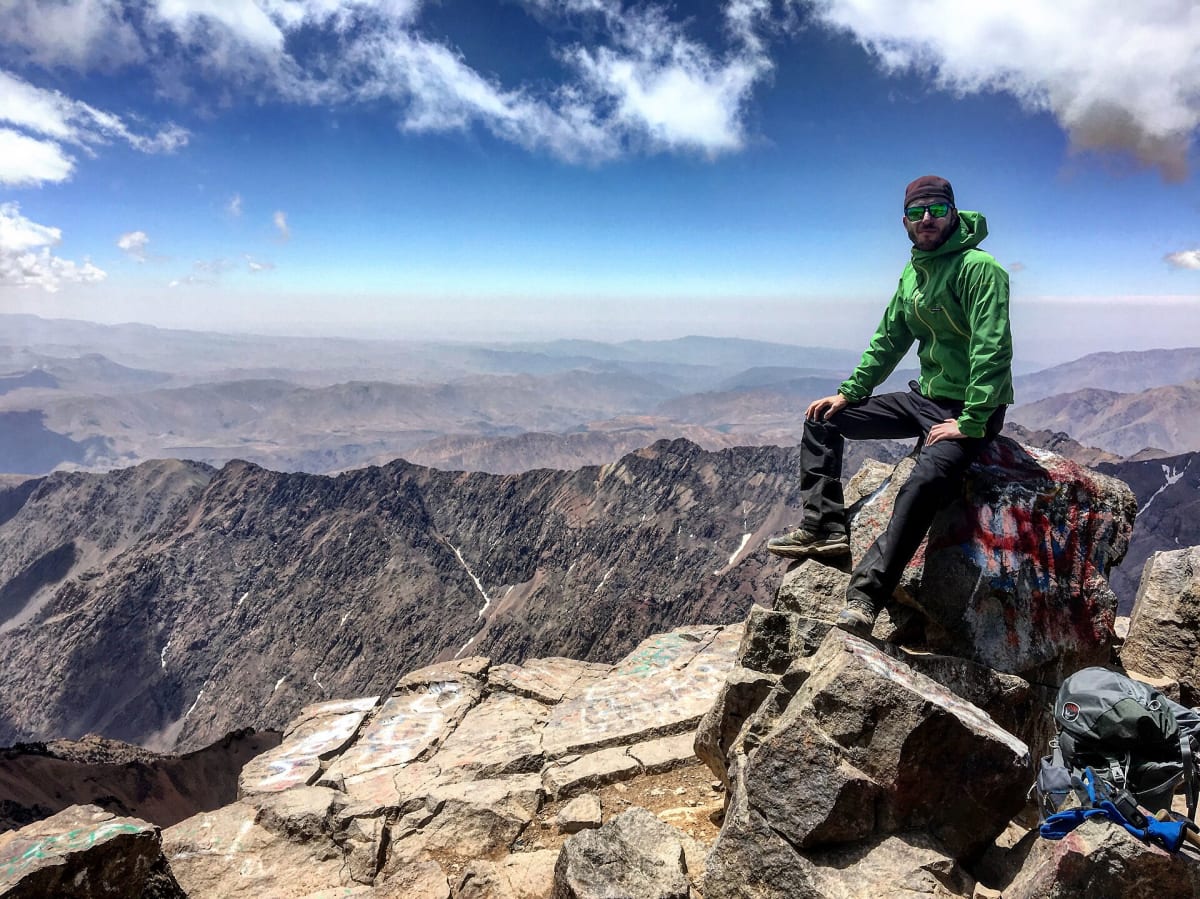
"Is Toubkal hard?" is probably the question we hear most often. The honest answer is: it depends on you, the season and the itinerary. Toubkal is one of the most accessible 4,000-metre peaks in the world, and many people climb it as their first big mountain. But every year, others find it much harder than they expected. This article will help you work out where you stand.
What "non-technical" really means
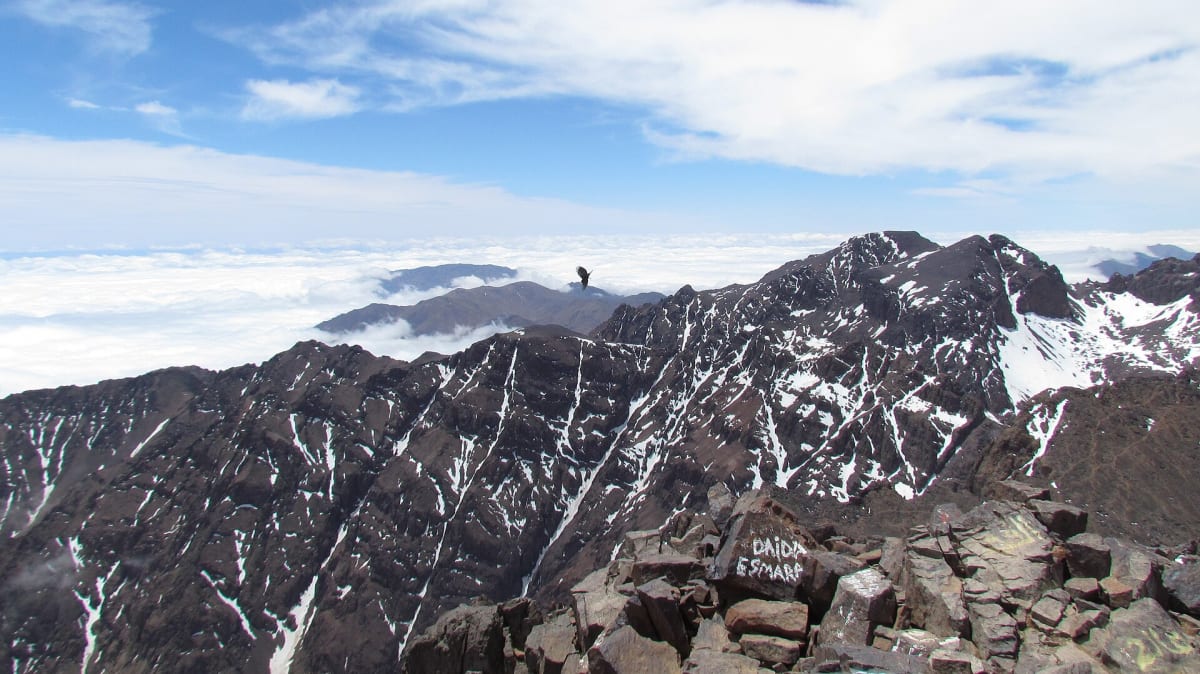
In summer conditions, the normal route up Toubkal requires no ropes, no climbing and no special skills. You walk on paths, boulders and scree. That is why it is often called "easy".
But non-technical does not mean effortless. The challenge of Toubkal comes from three things that have nothing to do with technical skill:
- The altitude: the summit is at 4,167 metres, and the refuge where you sleep is at around 3,200 metres.
- The length of the summit day: often nine to eleven hours, with an early start and a long descent.
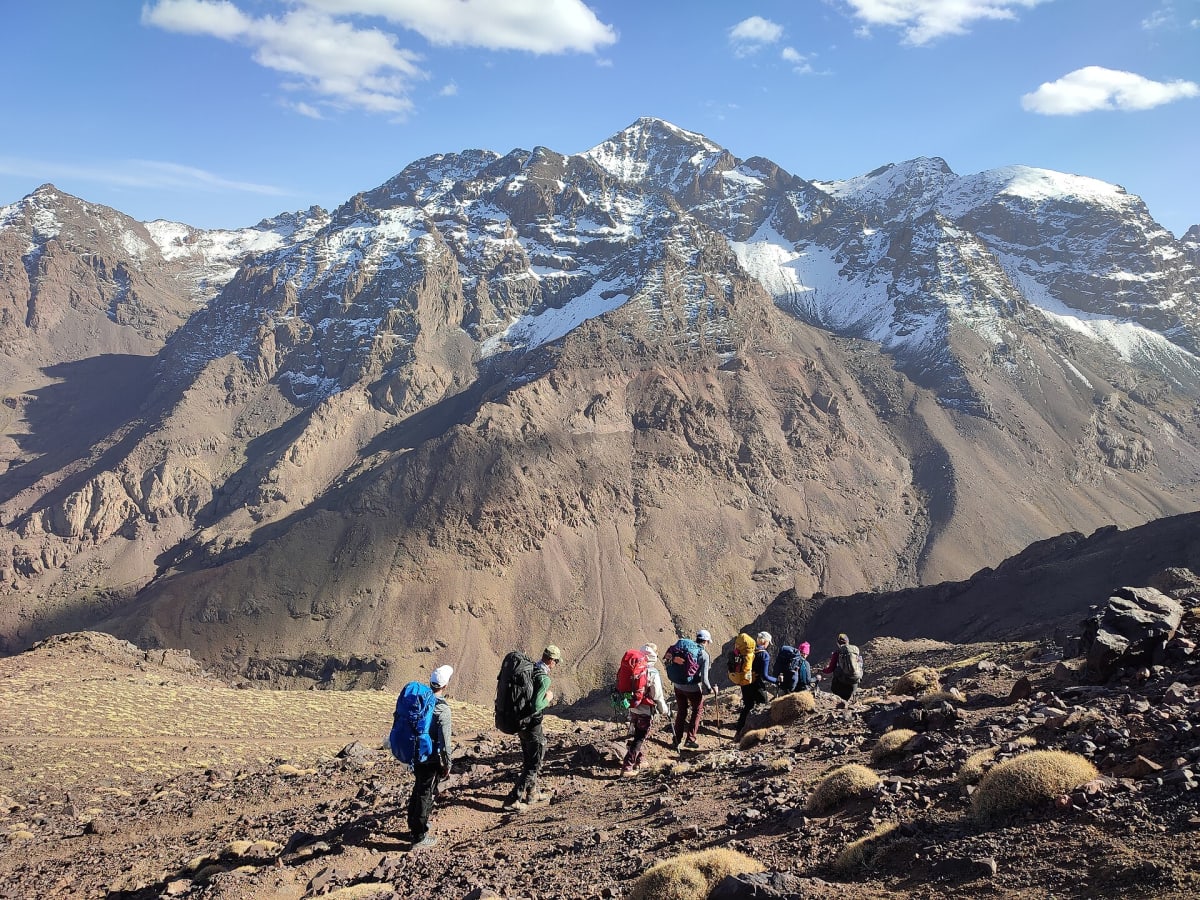
- The terrain: loose scree and boulder fields are tiring, particularly on the way down.
Our complete guide to Mount Toubkal describes the route in detail.
Who can climb Toubkal as a beginner?
You are likely to enjoy the climb if:
- you exercise regularly and can walk for six hours or more without great difficulty;
- you have done some hill walking, even if not at high altitude;
- you are climbing in a snow-free season with a guide;
- you are willing to walk slowly and listen to your body.
You should prepare more, or consider an easier trek first, if:
- you do not exercise regularly;
- you have never walked on rough ground or steep slopes;
- you have health conditions affected by exertion or altitude (ask your doctor);
- you are planning a winter ascent without snow experience.
Altitude: the great equaliser
Fitness helps, but it does not protect you from altitude. Some very fit people feel unwell above 3,000 metres, while some less fit people feel fine. The most common symptoms are headache, nausea, dizziness and unusual tiredness. The UK NHS offers a clear explanation of altitude sickness.
What helps most is time. A slower ascent gives your body a chance to adapt. That is why we recommend that beginners choose a three-day itinerary and, ideally, spend a day walking around Imlil first.
Winter changes everything
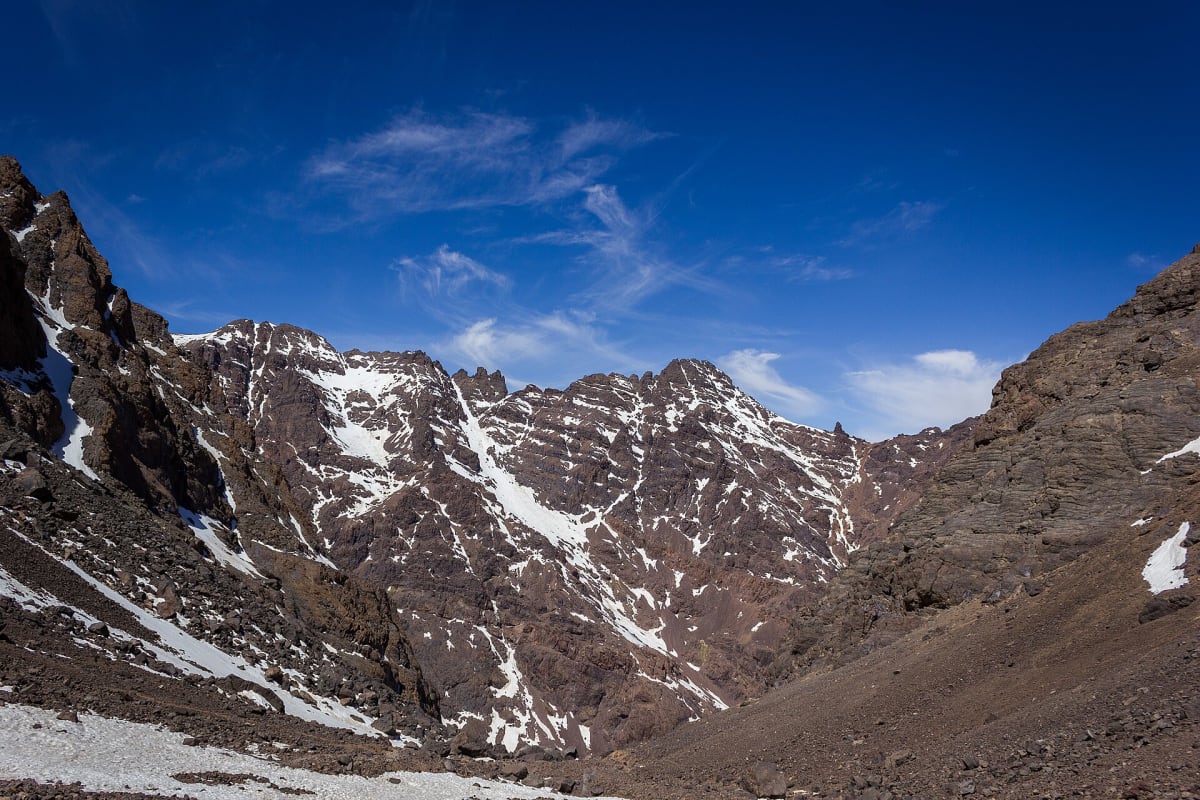
In winter and often early spring, the upper mountain is covered in snow and ice. Toubkal then becomes a winter mountaineering objective requiring crampons, an ice axe and the skills to use them. We do not recommend a winter ascent as a first mountain experience unless you are prepared to learn under close guidance and accept that turning back may be necessary. Read the best time to climb Mount Toubkal to choose your season.
The best itinerary for beginners
For first-time trekkers, we suggest:
- A snow-free season — late spring to autumn, depending on the year.
- A three-day ascent, such as our Toubkal sunrise summit in 3 days: shorter walking days, better acclimatisation and a more enjoyable summit.
- An extra day in Imlil before the climb, for example on our Imlil valley day hike.
- A private guide who sets a pace that suits you and is not tied to a large group.
A beginner's summit day, step by step
Knowing what to expect makes the summit day far less daunting. You wake before dawn at the refuge, drink tea and eat a light breakfast. Wrapped in warm layers, you leave by head-torch and climb slowly over boulders, stopping regularly to drink and catch your breath. As the sky lightens, the ridges around you appear one by one. The final section along the summit ridge is gentler, and suddenly the metal pyramid is in front of you. After photos, you descend carefully — the part where patience matters most — and reach Imlil tired but proud.
How to prepare
A few weeks of regular walking, hill training and longer weekend hikes will make a big difference. Our article on how to prepare for a High Atlas trek includes a simple eight-week plan, and our Toubkal packing list explains exactly what to bring.
It is fine to turn back
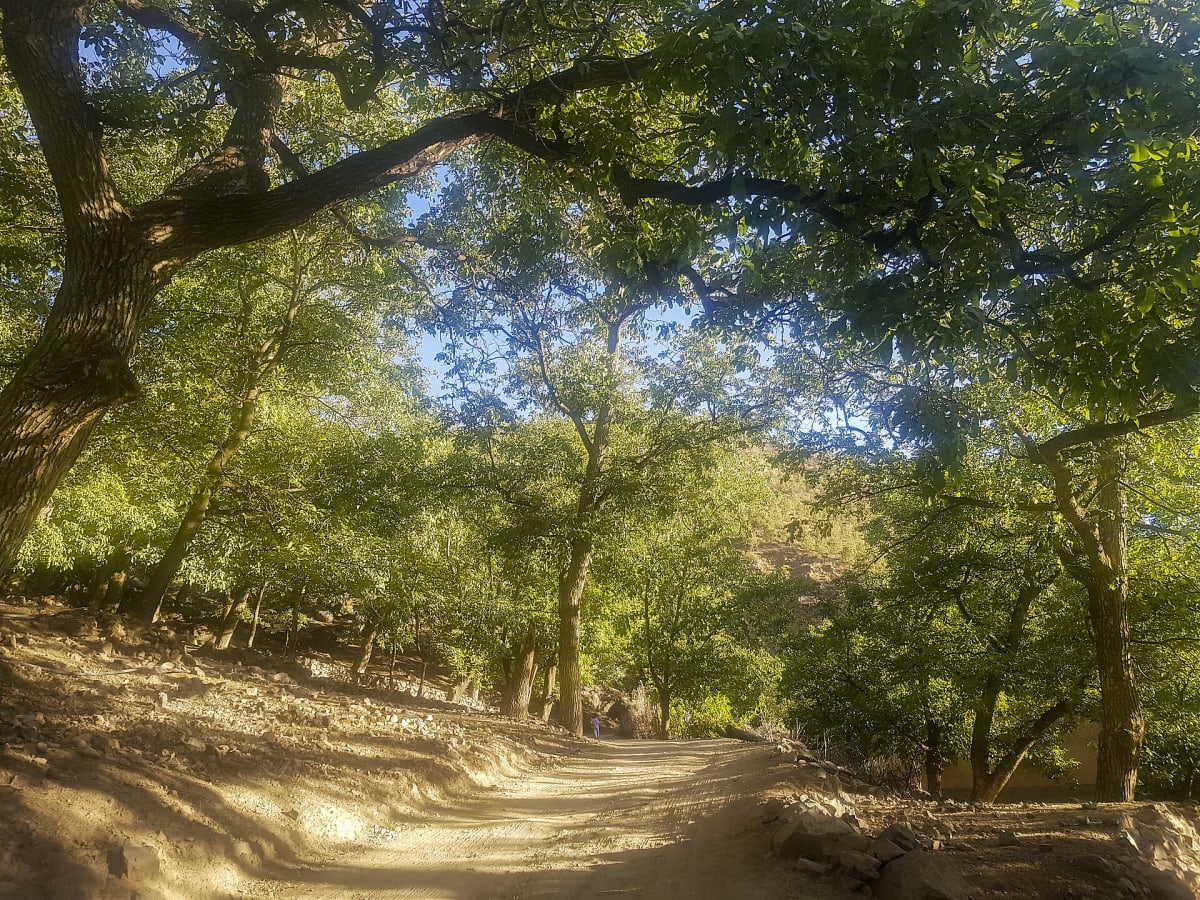
Reaching the summit is a wonderful goal, but it is not the only measure of success. Weather, altitude or simple fatigue sometimes mean that turning back is the right decision. A good guide will always put your safety first — and the journey through the Mizane valley, the night in the high mountains and the views from the refuge are memorable in themselves.
Alternatives if Toubkal is not for you (yet)
If you decide Toubkal is too much for this trip, the High Atlas still has wonderful experiences to offer:
- Village walks and passes around Imlil.
- A multi-day trek at moderate altitude through traditional villages.
- Cultural experiences in Amazigh villages.
Talk to us honestly
Tell us about your fitness, experience and expectations. We will give you an honest assessment — even if that means recommending a different trek or a different season. Contact our team in Imlil.
Frequently asked questions
Can a complete beginner climb Toubkal?
Someone with good general fitness but little mountain experience can often climb Toubkal in summer conditions with a guide, especially on a three-day itinerary. People with no regular exercise should start with easier treks.
Is Toubkal harder than it looks?
Yes, for many people. It is non-technical in summer, but the long summit day, altitude and loose terrain surprise first-timers.
What is the best option for beginners?
A three-day itinerary in a snow-free season, with an acclimatisation walk around Imlil before you go up.
Ready for the mountains?
Tell us your dates and what you would like to do. We will reply personally with ideas, availability and a clear quote.