Trekking & Adventure
A Complete Guide to Multi-Day Trekking in Morocco
How multi-day treks work in the High Atlas: routes, daily rhythm, accommodation, mules, food, difficulty, seasons and how to design a trek that suits you.
Atlas Trek TravelPublished 4 min read
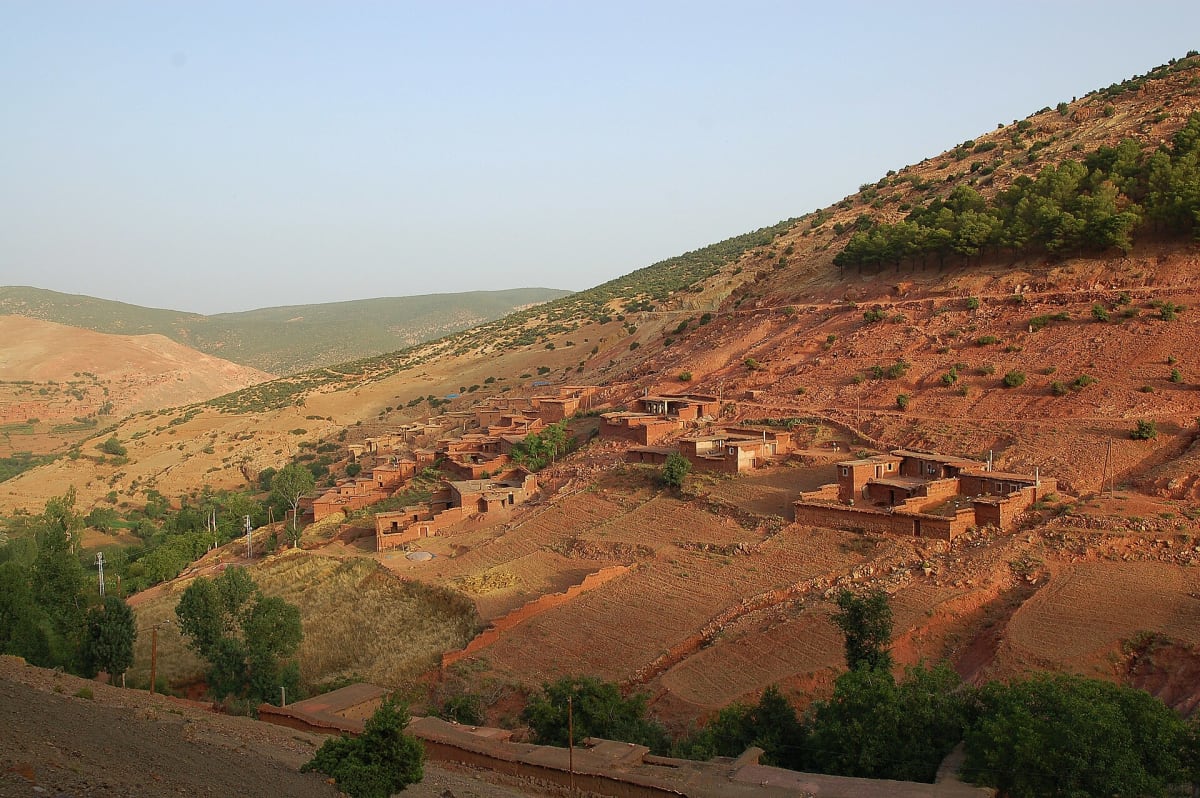
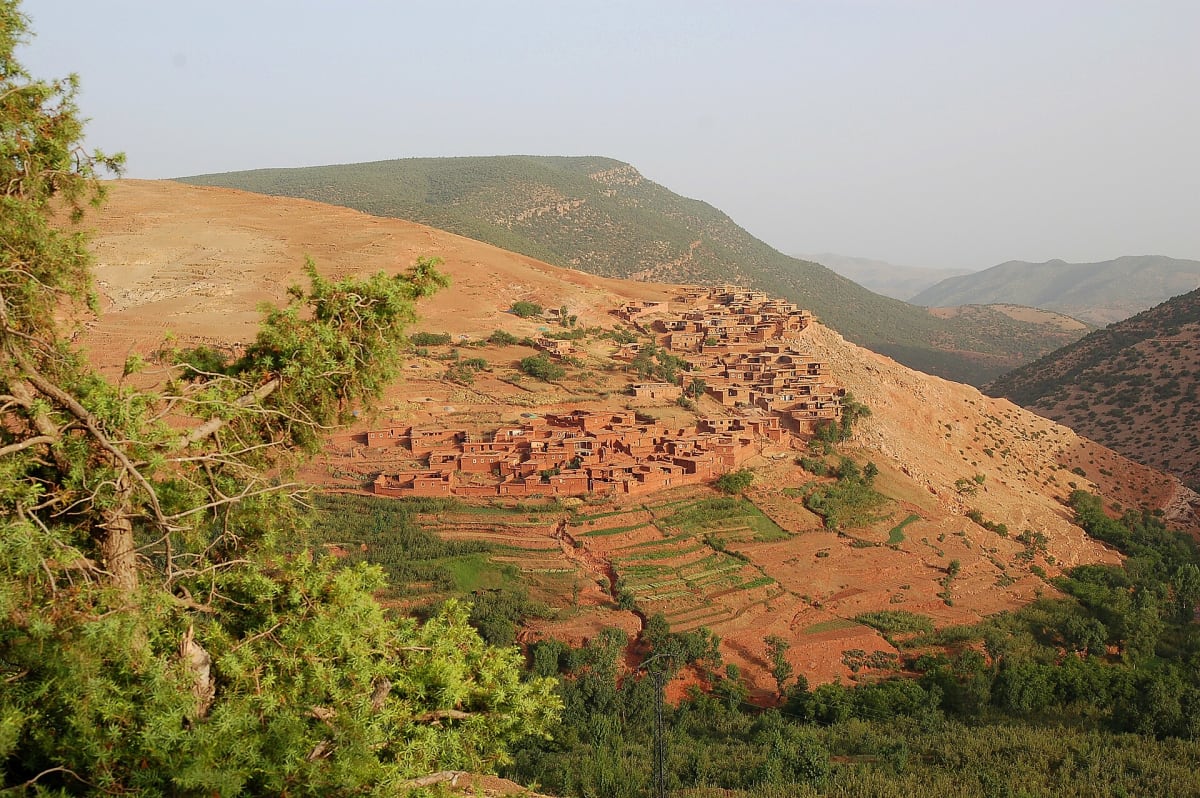
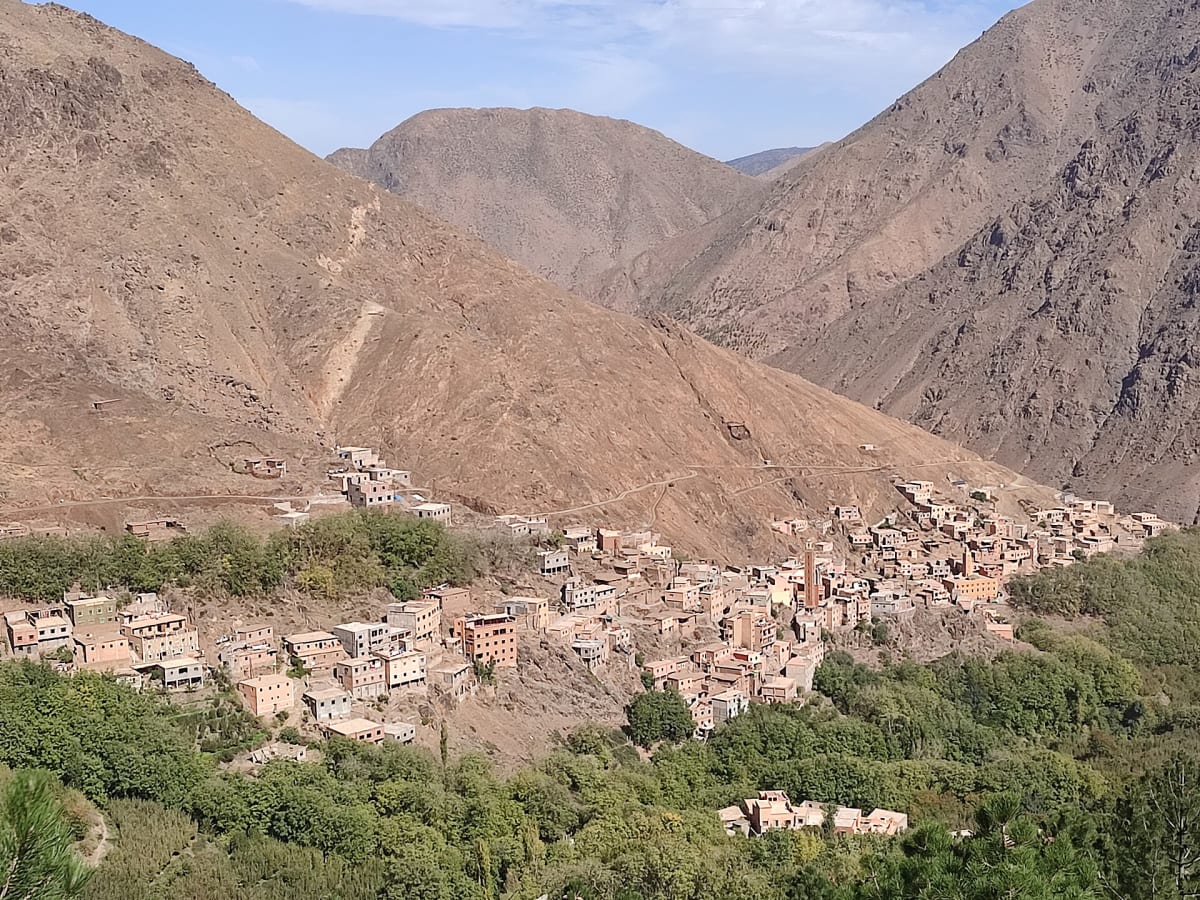
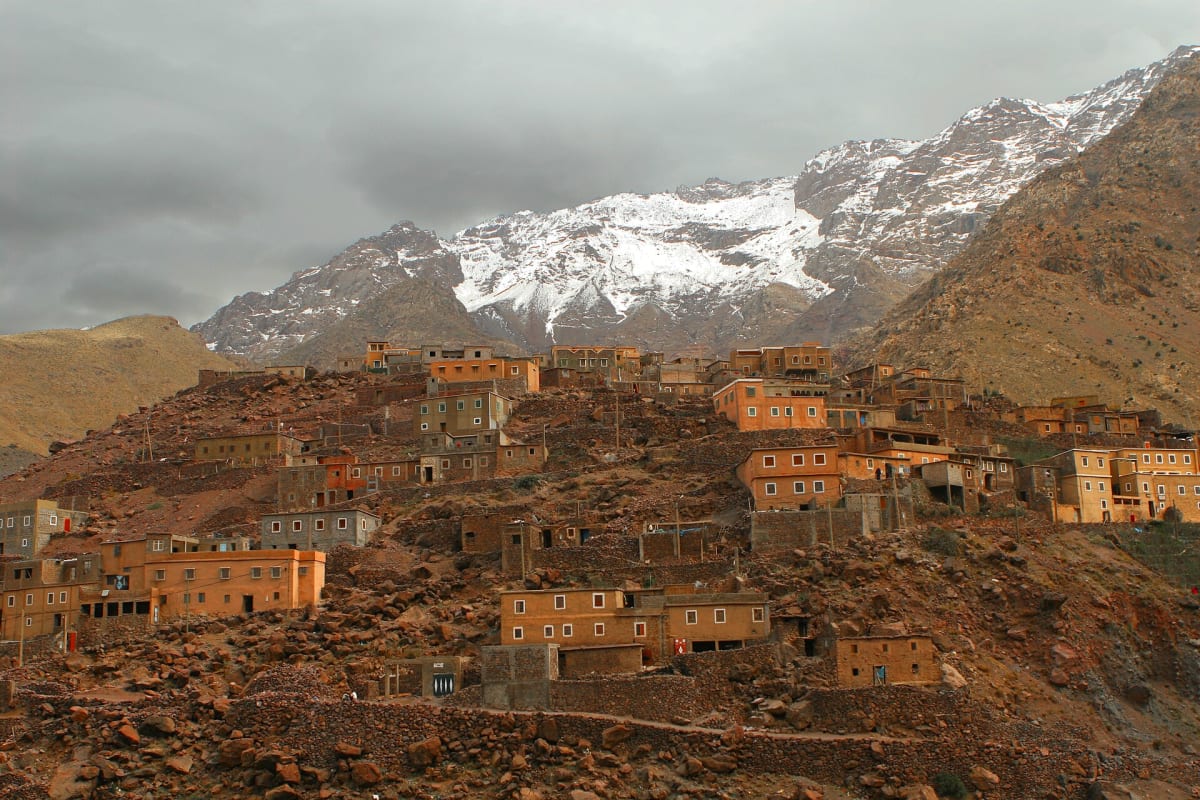
A day hike shows you the High Atlas. A multi-day trek lets you live in it. Walking from valley to valley for several days, you fall into the rhythm of the mountains: early starts, long views from high passes, afternoons in villages and evenings around a shared meal. For many travellers, it becomes the highlight of their time in Morocco.
This guide explains how multi-day trekking works in the High Atlas and how to plan a trek that suits you.
Why trek for several days?
- Immersion: you reach villages that see few visitors and experience daily life rather than passing through.
- Variety: each day brings a new valley, pass and landscape.
- Acclimatisation: walking for several days at moderate altitude prepares your body well if you plan to finish with a summit.
- Slow travel: there is time to talk, to rest and to notice details.
How long should your trek be?
- 2–3 days: a short loop from Imlil, crossing one or two passes and sleeping in villages. Ideal as an introduction.
- 4–5 days: enough to reach quieter valleys such as Imnane or Azzaden and return by a different route, or to combine village trekking with a Toubkal ascent.
- 6 days or more: longer circuits around the Toubkal massif, more remote valleys or treks in other massifs further east.
Our High Atlas multi-day trek is designed to be flexible between three and six days.
A typical day on trek
- Breakfast — bread, olive oil, honey, tea or coffee — before setting off in the cool of the morning.
- Morning walk of three to four hours, often climbing to a pass with wide views.
- Lunch in the shade, frequently prepared by the team: salads, bread, sardines, fruit and tea.
- Afternoon descent into the next valley, arriving at the village or gîte by mid-afternoon.
- Free time to rest, wash, explore the village or simply watch the light change.
- Dinner, often a tagine or couscous, followed by an early night.
Walking times usually range from four to seven hours a day, depending on the route and your pace.
Where you sleep
- Village gîtes and guesthouses: simple rooms or shared spaces in local homes, with blankets, basic washing facilities and home-cooked meals. They are the heart of the cultural experience.
- Mountain refuges: used on routes that pass close to Toubkal, with dormitories and shared facilities.
- Camping: possible on some remote routes, depending on season and logistics.
Comfort is simple but genuine. Bring a sleeping-bag liner and warm layers for the evenings. Accommodation is always confirmed in your quote.
The role of mules and muleteers
Mules are the backbone of mountain logistics. On most treks, a muleteer and his mule carry your main luggage and supplies from one overnight stop to the next, so you only carry a daypack. Muleteers usually come from the valleys themselves and are part of the team — and their animals' welfare matters. Please keep your bag within the weight we advise.
Food on the trail
Meals are typically Moroccan mountain cooking: tagines, couscous, soups, salads, bread and plenty of mint tea. Vegetarian diets are usually easy to accommodate; tell us about any allergies or requirements in advance. Water is treated or purified along the way, and we recommend bringing your own filter or tablets as a backup.
How difficult is a multi-day trek?
Difficulty depends on the route. Many village-to-village treks are moderate: steady walking on mule paths with significant ascents to passes but no technical sections. The challenge is mainly endurance — walking several days in a row. Routes that reach high passes or include Toubkal are more demanding. Read how to prepare for a High Atlas trek for a simple training plan.
When to go
- Spring: green valleys, blossom and snow on the peaks; some high passes may still be snowy early in the season.
- Summer: hot in Marrakech but pleasant at altitude; start early to avoid afternoon storms.
- Autumn: clear skies, harvests and comfortable temperatures — an excellent season.
- Winter: possible at lower altitudes, but high passes may be snowbound.
Combining a trek with Toubkal
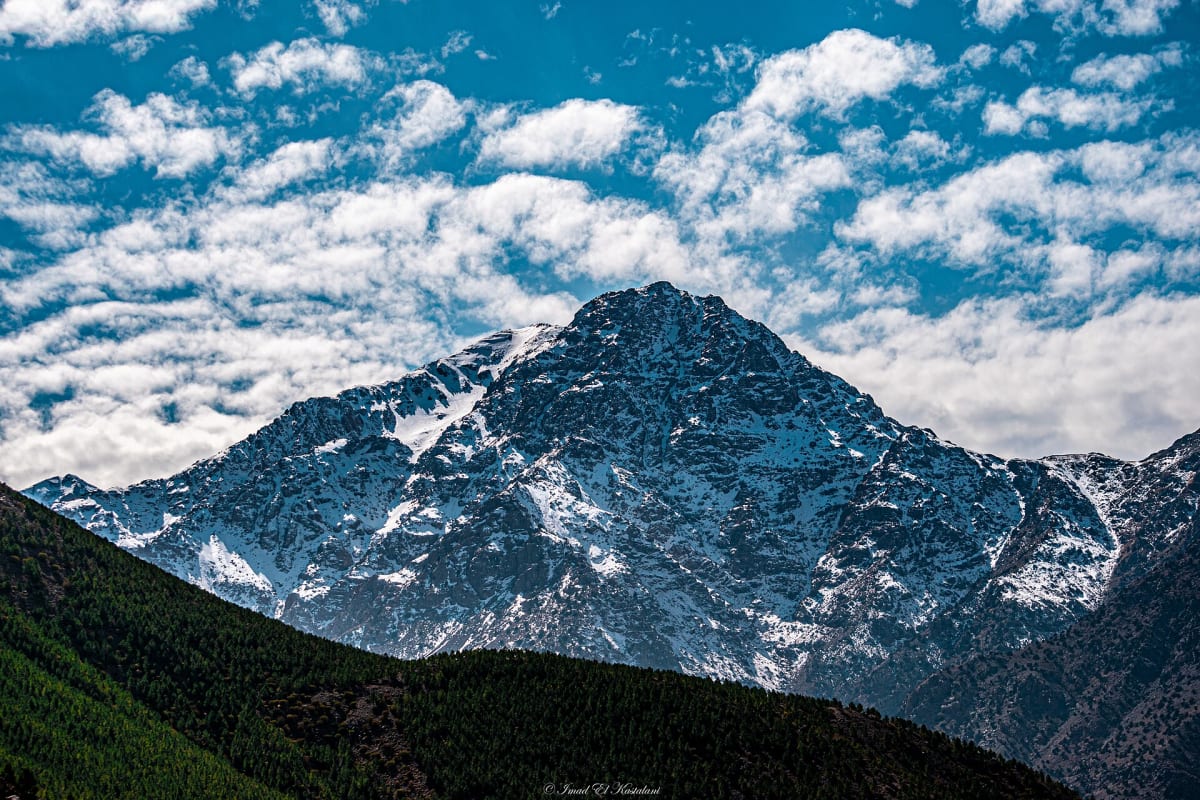
A popular choice is to spend a few days trekking through villages and then finish with the Toubkal ascent. You arrive at the refuge already acclimatised, which makes the summit day much more enjoyable. Our complete Toubkal guide explains the ascent.
Guided or independent?
Navigation on unsigned mule paths, language, logistics and the guide requirement in the Toubkal area all make a local guide the natural choice for multi-day trekking. We compare the options in guided trekking vs independent hiking.
Responsible trekking
- Stay on paths and respect terraces and irrigation channels.
- Carry out all rubbish.
- Dress modestly and ask before photographing people.
- Support local guesthouses, guides and producers.
Planning your trek
To design the right trek, we need to know your dates, the number of days, your experience and fitness, and what interests you most — remote landscapes, villages, a summit or a mix. Arrive easily with a private transfer from Marrakech Airport to Imlil, and tell us about your plans. Or, if you would like a fully personalised journey, look at our tailor-made Atlas experience.
Frequently asked questions
How many days do I need for a trek in the High Atlas?
Three days gives a genuine village-to-village experience. Five to seven days allows longer loops, remote valleys or a combination with Mount Toubkal.
Where do you sleep on a multi-day trek?
Usually in village gîtes or guesthouses, sometimes in mountain refuges or, on some routes, in tents. Accommodation is confirmed in your quote.
Do I carry all my luggage?
On most treks mules carry the main luggage between overnight stops, and you walk with a daypack.
Ready for the mountains?
Tell us your dates and what you would like to do. We will reply personally with ideas, availability and a clear quote.