Trekking & Adventure
How to Prepare for a High Atlas Mountain Trek
A practical preparation plan for trekking in the High Atlas: fitness training, altitude, footwear, health, mental preparation and what to do in the days before you arrive.
Atlas Trek TravelPublished 4 min read
A trek in the High Atlas is not a race, and you do not need to be an athlete to enjoy it. But a little preparation makes an enormous difference — not only to whether you reach your goal, but to how much you enjoy every step. This guide explains how to prepare, whether you are planning a gentle village trek or the ascent of Mount Toubkal.
Know what you are preparing for
Preparation starts with understanding your trek:
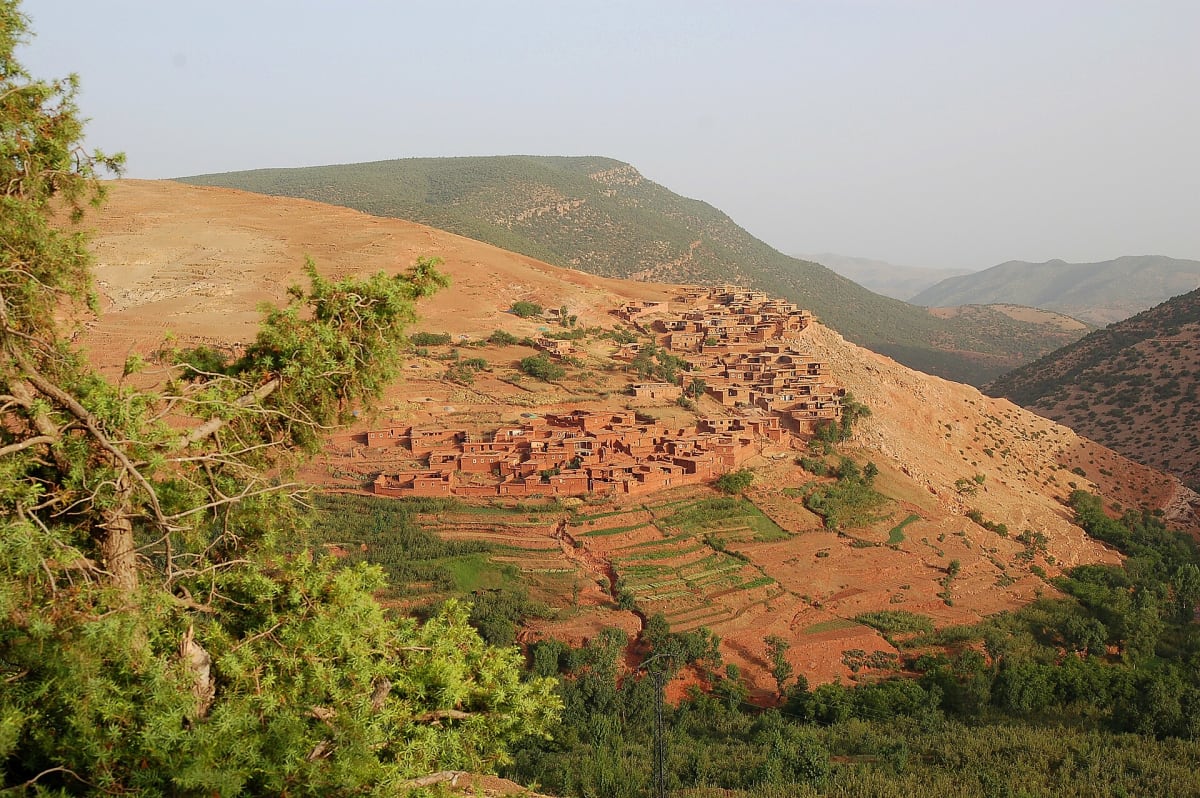
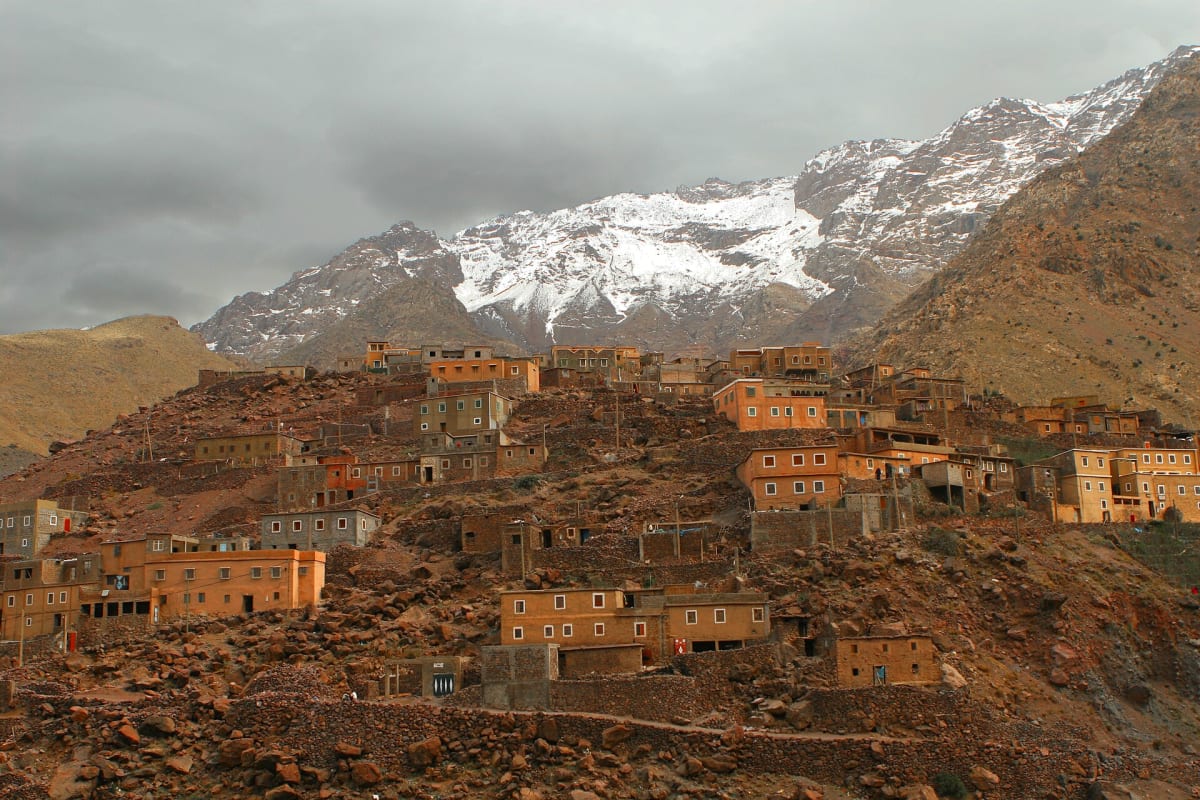
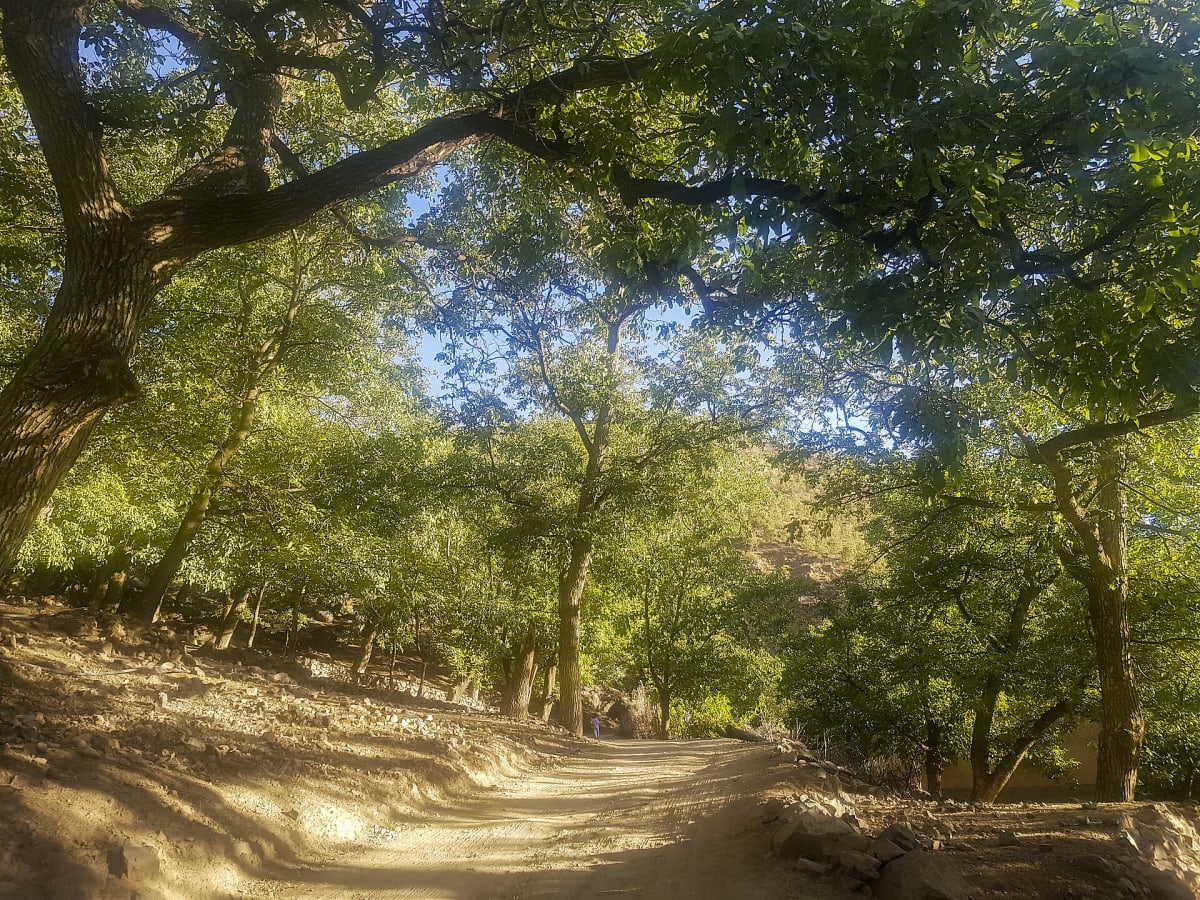
- Village walks and day hikes around Imlil usually involve three to six hours on mule paths, with moderate ascents and descents.
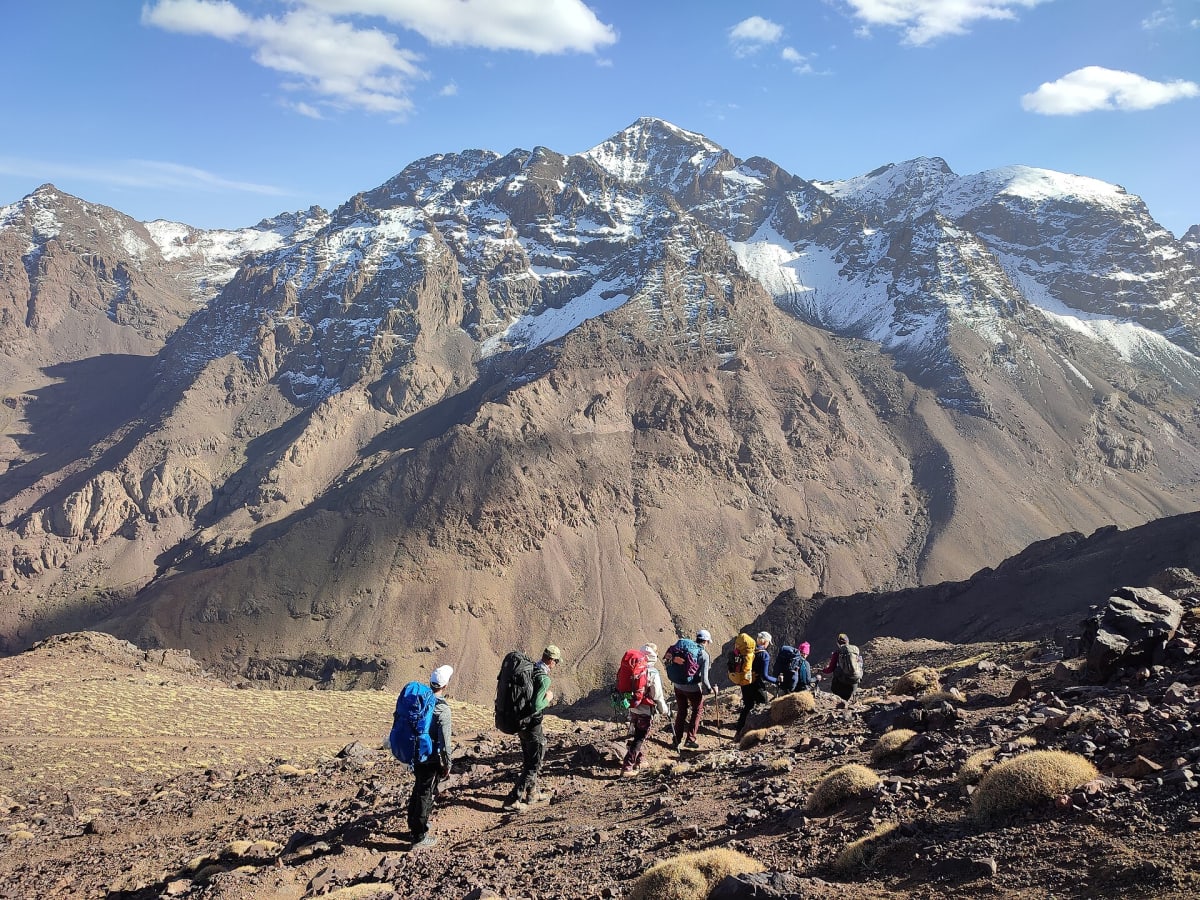
- Multi-day treks mean several consecutive days of four to seven hours, crossing passes between valleys.
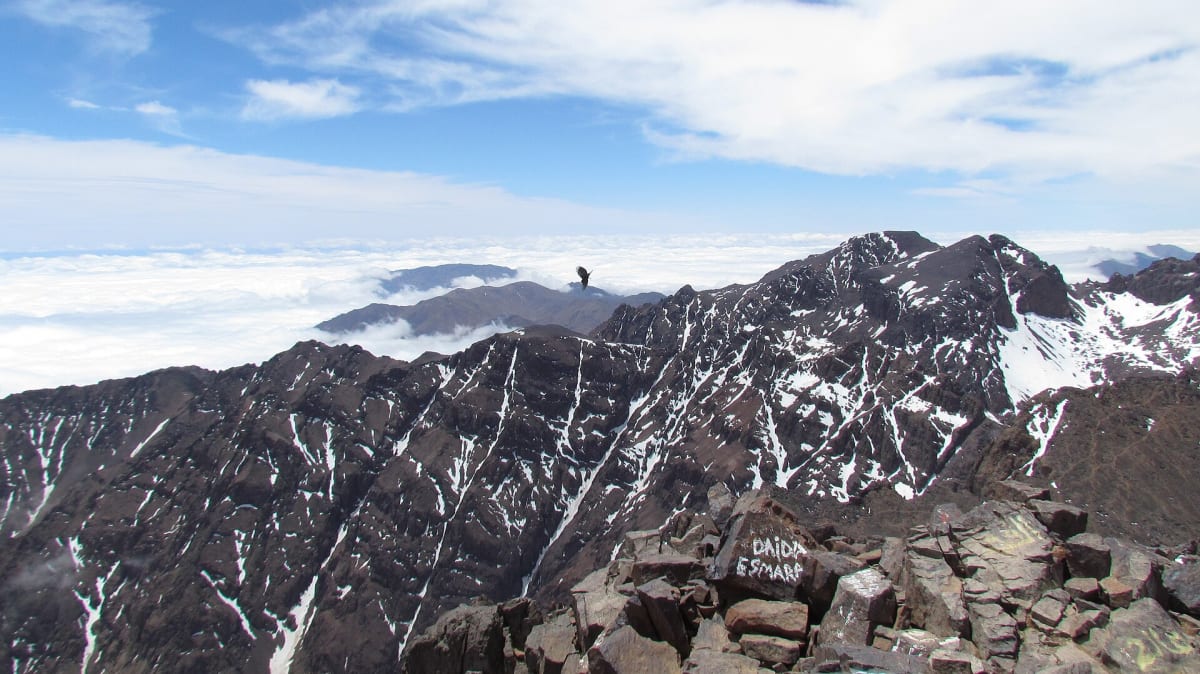
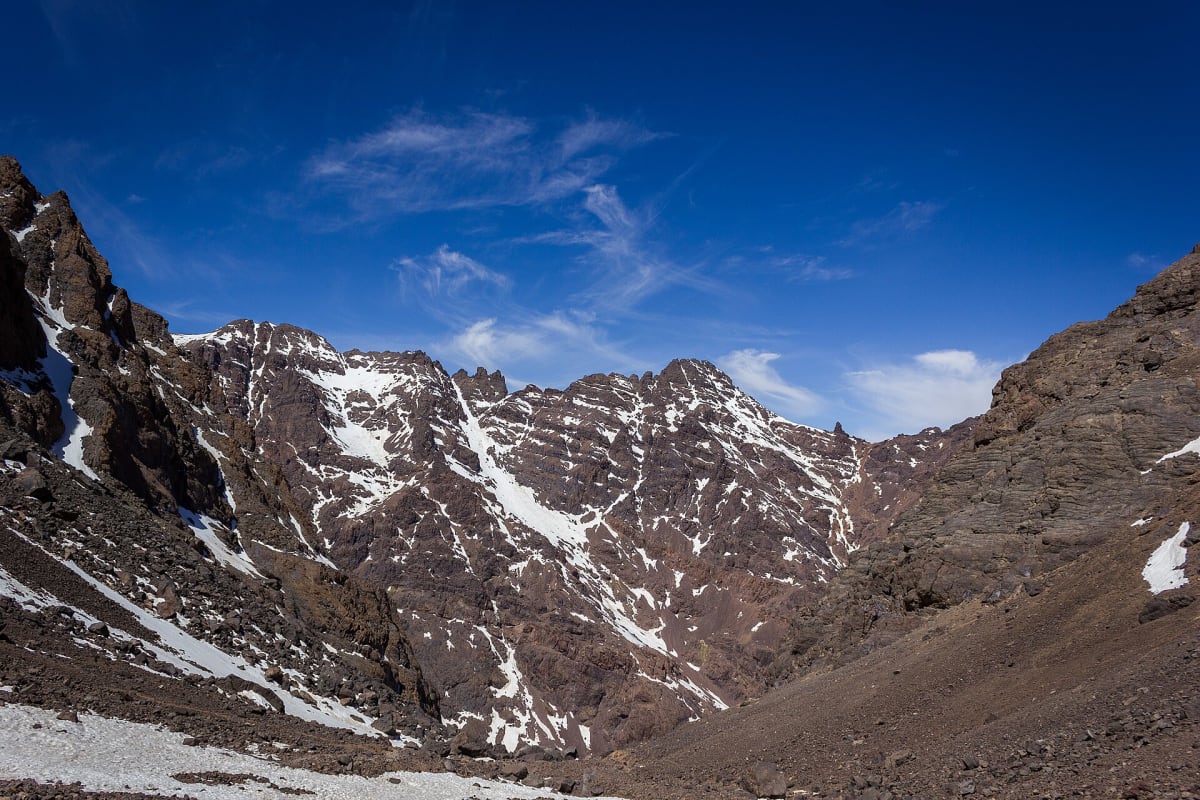
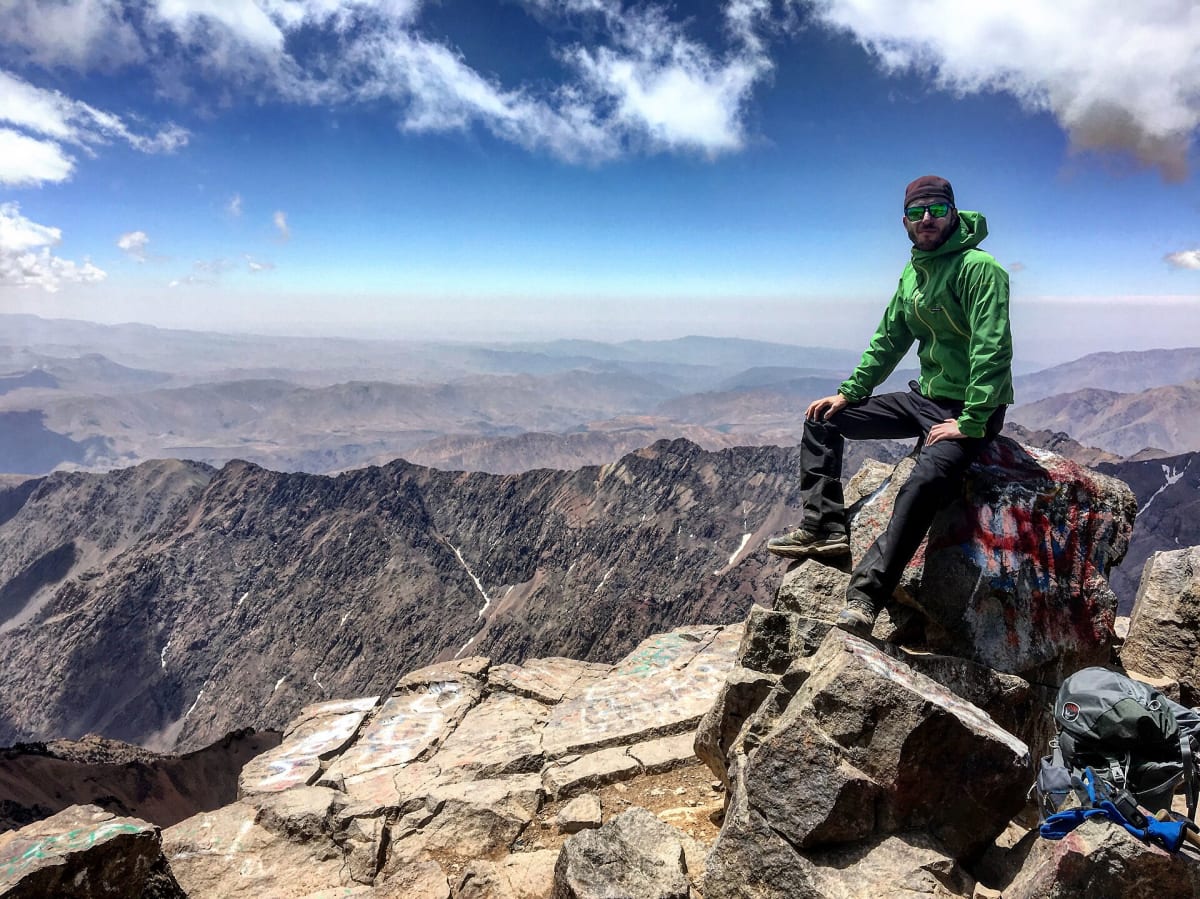
- The Toubkal ascent involves a long first day to the refuge at around 3,200 m and a summit day that often totals nine to eleven hours, reaching 4,167 m.
Read our complete guide to Mount Toubkal or our introduction to multi-day trekking in Morocco to understand what each involves.
Build endurance, not just strength
Mountain walking is mainly about endurance: the ability to keep moving steadily for hours. The best training is walking itself, ideally with hills.
A simple eight-week plan
If you are starting from moderate fitness, this approach works well for Toubkal:
- Weeks 1–2: walk briskly three times a week for 45–60 minutes. Add stairs or hills where possible.
- Weeks 3–4: add one longer walk at the weekend (2–3 hours) on hilly terrain.
- Weeks 5–6: extend the long walk to 4–5 hours, carrying a light daypack. Include long descents to train your knees.
- Weeks 7–8: do one or two long days (6 hours or more) with as much ascent as you can find, then reduce training in the final week to arrive rested.
Complement walking with cycling, swimming or running for cardiovascular fitness, and simple strength exercises for legs and core (squats, lunges, step-ups). Always adapt training to your health, and consult a doctor if you have any doubts.
Do not forget the descent
Many people train for going up and forget about coming down. Long descents on loose ground are tiring for the thighs and knees. Practise downhill walking, and consider trekking poles, which many walkers find very helpful.
Understand altitude
Altitude affects everyone differently, regardless of fitness. Above about 2,500 m, the air holds less oxygen, and some people experience headaches, nausea, dizziness or unusual fatigue. The UK NHS gives a clear overview of altitude sickness.
How to reduce the risk:
- Ascend gradually. A three-day Toubkal itinerary, such as our Toubkal sunrise summit in 3 days, gives your body more time.
- Spend a day walking around Imlil before your ascent — our Imlil valley day hike is ideal acclimatisation.
- Drink regularly and eat even if you are not hungry.
- Walk slowly. Your guide will set a sustainable pace.
- Tell your guide about any symptoms. Descending is the most effective remedy if they get worse.
Choose and test your footwear
Boots are the most important item of equipment. Choose sturdy, broken-in hiking boots with good grip and ankle support. Never start a trek in new boots. Wear them on your training walks with the socks you will use in Morocco, and deal with any hot spots before you leave.
Our Toubkal packing list covers the rest of your equipment.
Health and practical checks
- Medical advice: see your doctor if you have heart, lung or other health conditions, or if you are unsure about altitude.
- Insurance: make sure your travel insurance covers trekking at altitude, mountain rescue and evacuation.
- Personal medication: bring enough for your trip, plus a small first-aid kit with blister plasters.
- Sun protection: UV is strong at altitude, even when it feels cool.
Prepare your mind
Mental preparation matters as much as physical training. Expect long days, early starts and simple accommodation. Be ready to walk slowly, to listen to your guide and to accept that weather or health may sometimes require a change of plan. The summit is a goal, not the only measure of success.
The days before you arrive
- Rest in the last few days rather than training hard.
- Hydrate well, especially if you are arriving in a hot Marrakech.
- Arrive in good time. Travelling straight from a long flight to a high refuge is tiring; an extra night in Imlil is a wise choice. A private transfer from Marrakech Airport to Imlil makes the arrival easy.
- Pack the night before, keeping your daypack light.
Ask us
Every trekker is different. Tell us about your fitness, experience and goals, and we will suggest the itinerary that gives you the best chance of enjoying the mountains — and an honest opinion if another trek would suit you better. Read is Mount Toubkal suitable for beginners? or contact our team directly.
Frequently asked questions
How fit do I need to be for a High Atlas trek?
For village treks, regular walkers are usually fine. For Toubkal, you should be comfortable walking 6–10 hours with significant ascent and descent.
How long should I train before climbing Toubkal?
Six to eight weeks of regular walking, hill training and endurance work is a good target if you are starting from moderate fitness.
Can I prevent altitude sickness?
You can reduce the risk by ascending gradually, drinking enough, eating well and avoiding over-exertion. If symptoms worsen, descending is the most effective remedy. Seek medical advice before your trip if you have health concerns.
Ready for the mountains?
Tell us your dates and what you would like to do. We will reply personally with ideas, availability and a clear quote.