Trekking & Adventure
What to Pack for a Mount Toubkal Expedition
A complete, tested packing list for climbing Mount Toubkal: clothing layers, footwear, daypack essentials, refuge comforts, health items and what changes in winter.
Atlas Trek TravelPublished 4 min read
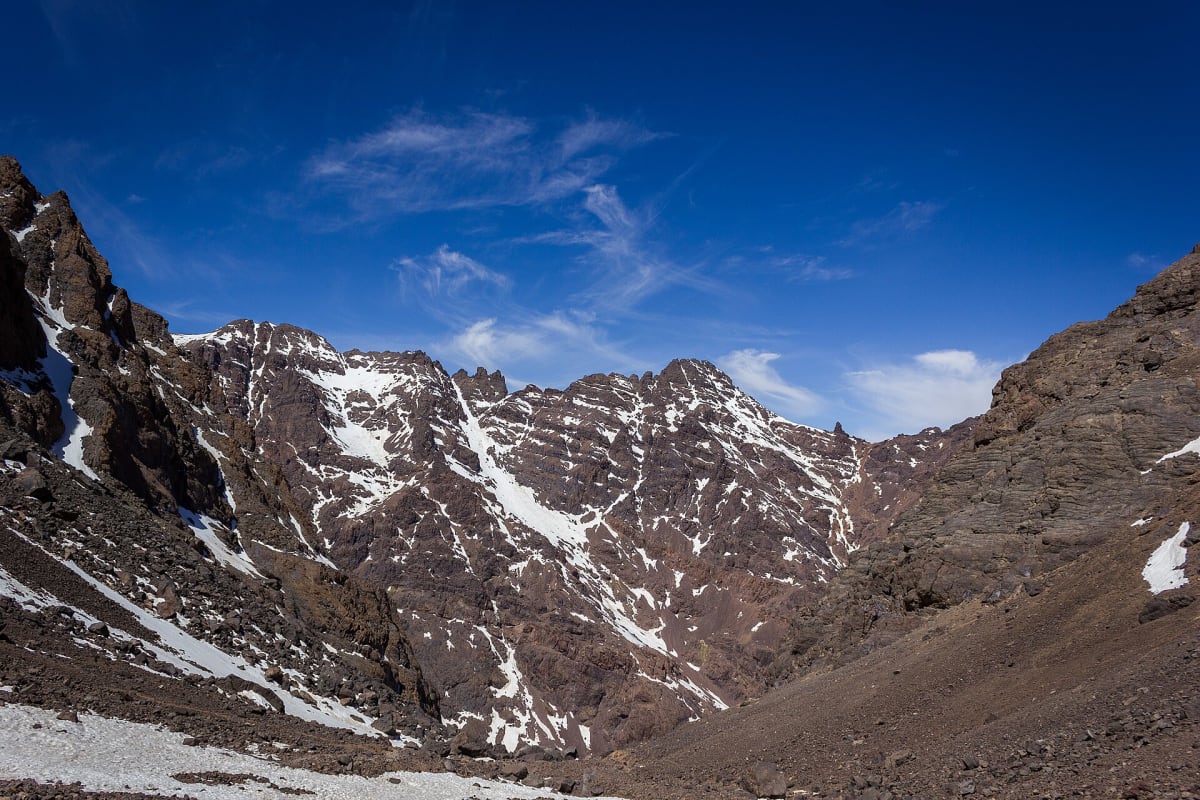
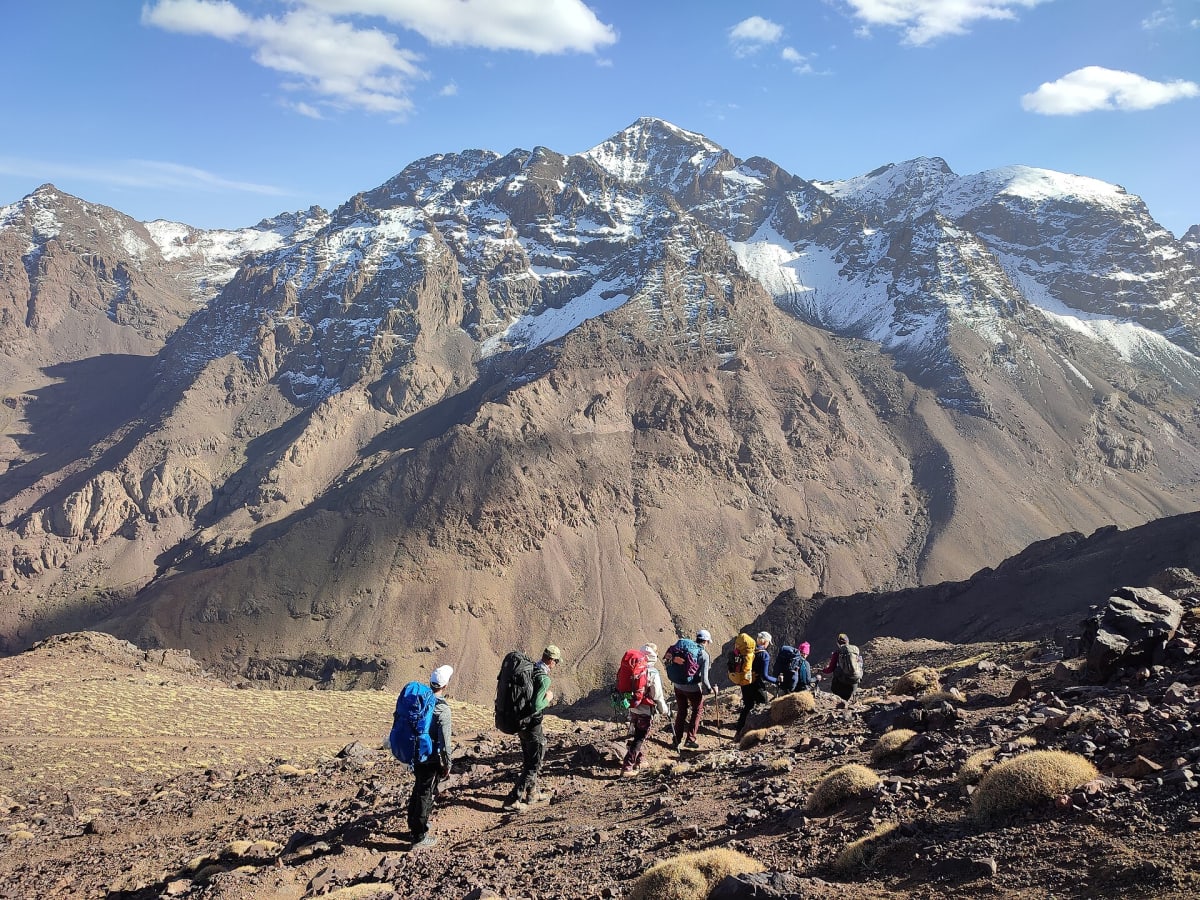
Good equipment does not make you a better mountaineer, but the wrong equipment can make a great trek miserable. On Toubkal you will meet warm valley afternoons, cold refuge nights and freezing summit mornings — sometimes within 24 hours. This packing list, based on years of guiding in the Imlil valley, helps you bring what you need and nothing you don't.
Remember that on most guided treks mules carry your main luggage to the refuge, so you walk with a daypack only. Still, pack light: every item must be carried by someone.
Footwear
- Hiking boots: sturdy, broken-in, with good grip and ankle support. This is the single most important item.
- Hiking socks: two or three pairs of good-quality socks; consider liner socks if you are prone to blisters.
- Light shoes or sandals for the evening at the refuge.
Clothing: think in layers
Temperatures change quickly with altitude and time of day. Layers let you adapt.
- Base layer: moisture-wicking T-shirts (synthetic or merino), not cotton.
- Mid layer: a fleece or light insulated jacket.
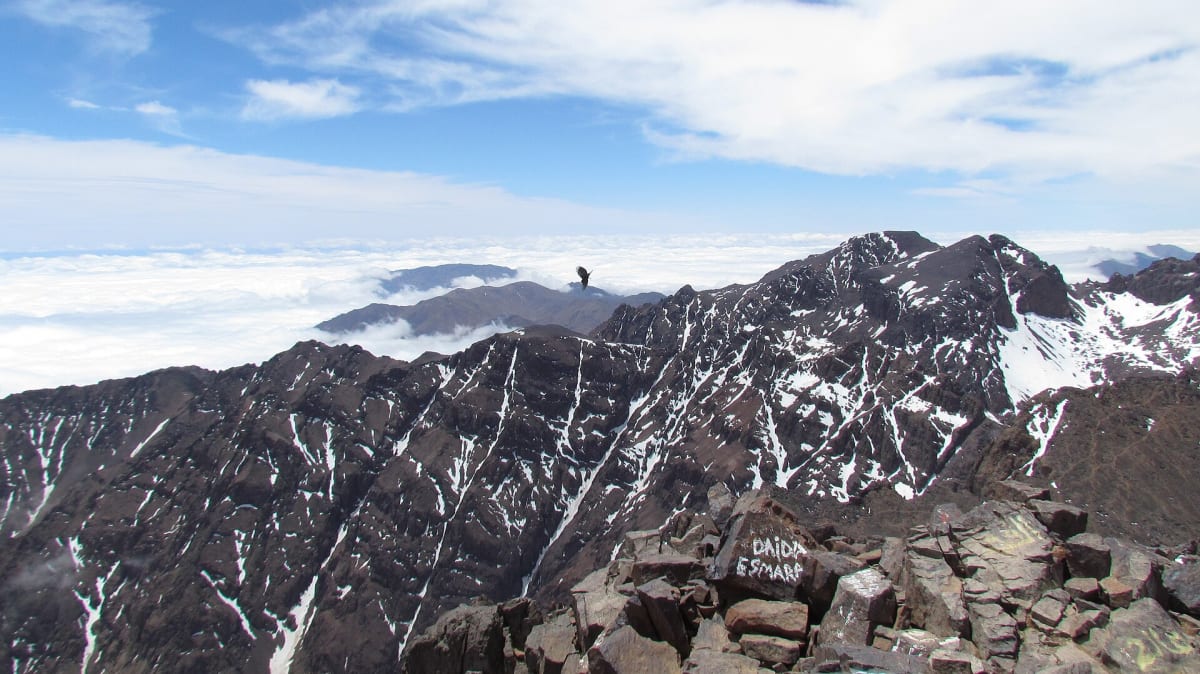
- Warm jacket: a down or synthetic insulated jacket for the summit morning and evenings. Even in summer, it can be close to freezing on the summit before sunrise.
- Waterproof jacket: for storms and wind.
- Trekking trousers: comfortable and quick-drying; some people like zip-off legs.
- Warm hat and gloves: essential for the summit start, in every season.
- Sun hat or cap and a buff or scarf for sun and dust.
Remember that modest clothing is appreciated in villages, so shorts and sleeveless tops are best kept for the trail.
Daypack essentials
- Daypack of 25–35 litres with a rain cover.
- Water: at least 2 litres capacity (bottles or a hydration bladder).
- Water treatment: a filter or purification tablets.
- Snacks: nuts, dried fruit, energy bars — useful for the long summit day.
- Head-torch with spare batteries: the summit day starts in darkness.
- Sun protection: high-factor sun cream, lip balm with SPF and good sunglasses. UV is strong at altitude.
- Trekking poles: optional but very helpful, especially on descents.
- Phone or camera, with a small power bank.
At the refuge
- Sleeping-bag liner for comfort and hygiene.
- Earplugs and eye mask — dormitories can be busy.
- Basic toiletries, a small quick-dry towel and toilet paper.
- Warm sleeping clothes: nights are cold even in summer.
- Cash in dirhams for drinks and small purchases.
Health and first aid
- Personal medication, with enough for your whole trip.
- Blister plasters and tape.
- Painkillers and rehydration salts.
- Hand sanitiser.
- Travel insurance documents, covering trekking at altitude and mountain rescue.
If you are unsure about altitude or health conditions, speak to your doctor before travelling. The NHS has a helpful page on altitude sickness.
What changes in winter
From roughly December to March — and sometimes into spring — the upper mountain is usually covered in snow and ice. In these conditions you will need:
- Crampons compatible with your boots.
- An ice axe, and the experience to use it.
- Stiffer, warmer winter boots suitable for crampons.
- Heavier insulation: a thicker down jacket, warmer gloves (plus a spare pair) and thermal base layers.
- Goggles for wind and snow glare.
- A warmer sleeping bag, depending on refuge conditions.
Equipment hire can sometimes be arranged locally; we confirm this in your quote. Read the best time to climb Mount Toubkal to understand seasonal conditions.
Packing for the rest of your trip
Most trekkers combine Toubkal with a few days in Marrakech, so think about the whole journey:
- Leave city luggage behind. Many riads and hotels in Marrakech will store a bag while you are in the mountains, so you only take trekking gear to Imlil.
- Plugs and power: Morocco uses 220 V with type C and E sockets, common in continental Europe. Bring an adapter if you are travelling from the UK or the US.
- Light, modest clothing for the city: loose trousers or long skirts and tops that cover the shoulders are comfortable in the heat and respectful in the medina.
- A reusable water bottle reduces plastic waste throughout your trip.
- Copies of your documents, stored separately from the originals.
What not to bring
- Too many clothes: two changes for the trail are usually enough.
- Heavy cotton clothing, which stays wet and cold.
- New, untested boots.
- Valuables you do not need in the mountains — leave them in your Marrakech accommodation.
A quick checklist
- Broken-in boots and good socks
- Base layer, fleece, warm jacket, waterproof
- Warm hat, gloves, sun hat
- Daypack, 2 litres of water capacity, purification
- Head-torch and spare batteries
- Sun cream, sunglasses, lip balm
- Snacks
- Sleeping-bag liner, earplugs, toiletries
- Medication and first aid
- Cash, ID, insurance details
Ready to go?
With the right equipment and a little preparation, Toubkal becomes a far more enjoyable experience. Read how to prepare for a High Atlas trek, choose between our two-day and three-day itineraries, and ask us about anything specific to your dates.
Frequently asked questions
Do I need crampons for Toubkal?
Not in typical summer conditions. In winter and often in early spring, crampons and an ice axe are essential. We will tell you what conditions to expect for your dates.
Do I need a sleeping bag at the refuge?
Refuges usually provide blankets, but many trekkers bring a sleeping-bag liner for hygiene and warmth. In winter, a warm sleeping bag can be useful — we will advise you.
How big should my daypack be?
A 25–35 litre pack is usually enough, since mules carry the main luggage to the refuge.
Ready for the mountains?
Tell us your dates and what you would like to do. We will reply personally with ideas, availability and a clear quote.