Destinations & Culture
The Best Time to Visit and Climb Mount Toubkal
Season by season — what to expect on Toubkal in spring, summer, autumn and winter, and how to choose the right month for your trip.
Atlas Trek TravelPublished 4 min read
Toubkal can be climbed in every month of the year — but it is not the same mountain in January as it is in September. Snow, temperature, daylight, crowds and even the religious calendar all change the experience. This guide explains each season honestly so you can choose the time that suits your experience and expectations.
One important note before we start: mountain conditions vary from year to year and week to week. A dry winter may leave little snow; a late storm can bring snow in May. Always check recent conditions before you travel, and stay flexible.
Spring (March to May): beauty and lingering snow
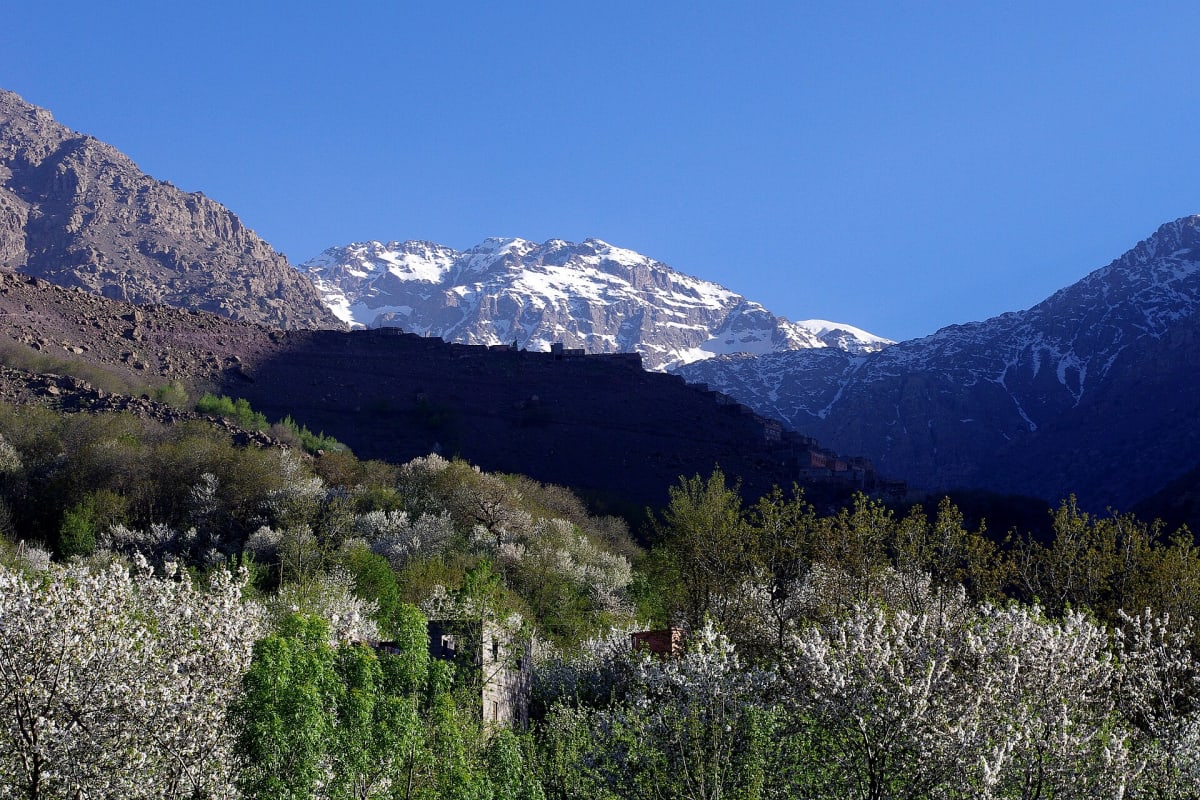
Spring is one of the most beautiful times in the High Atlas. The valleys around Imlil turn green, orchards blossom and the summits are still white.
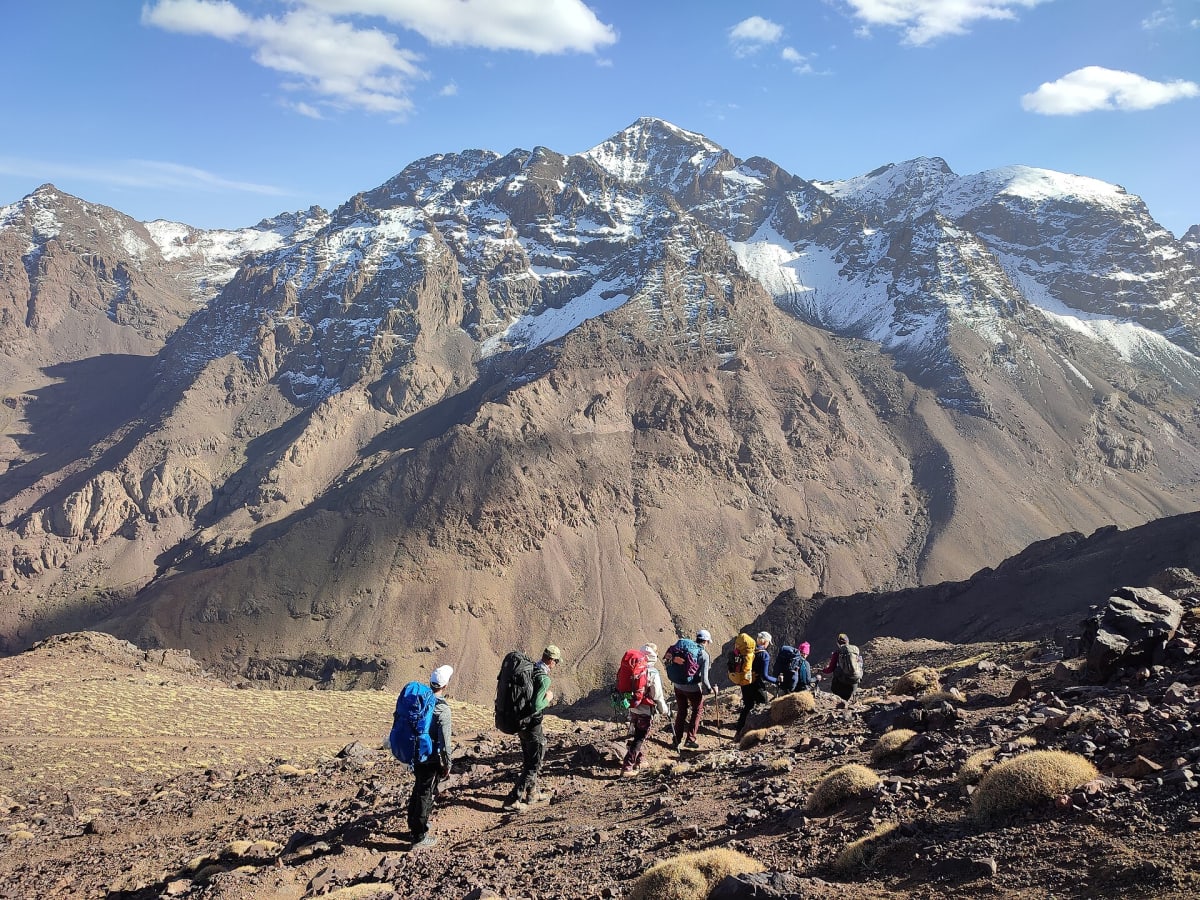
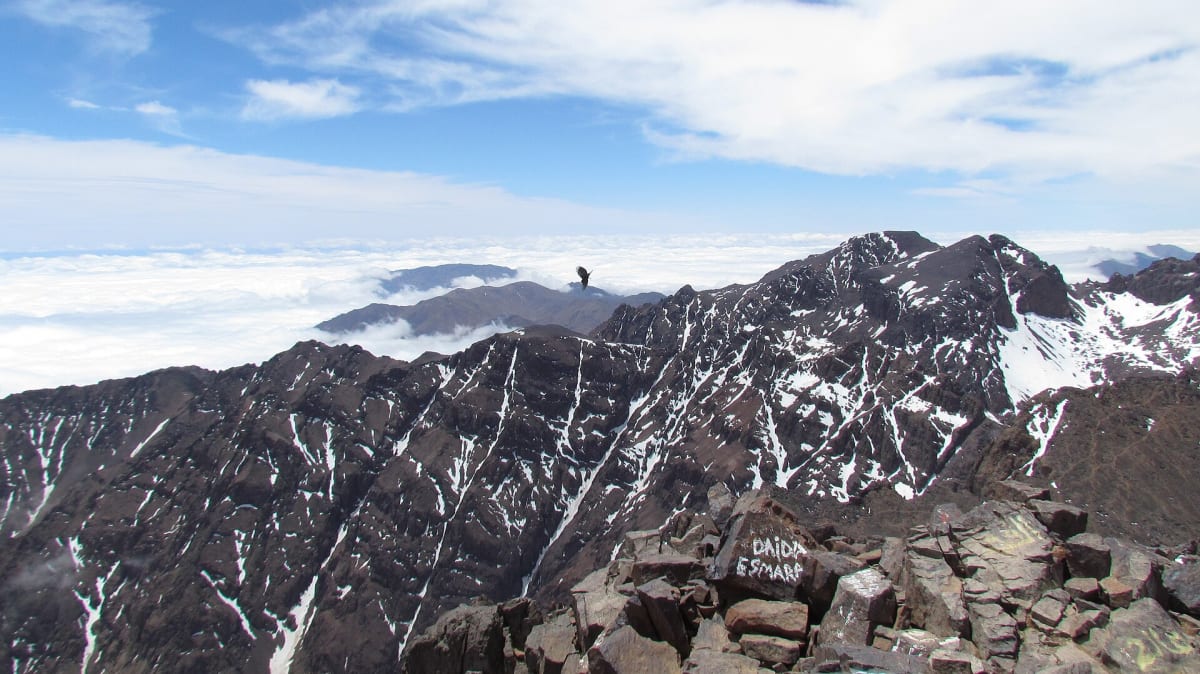
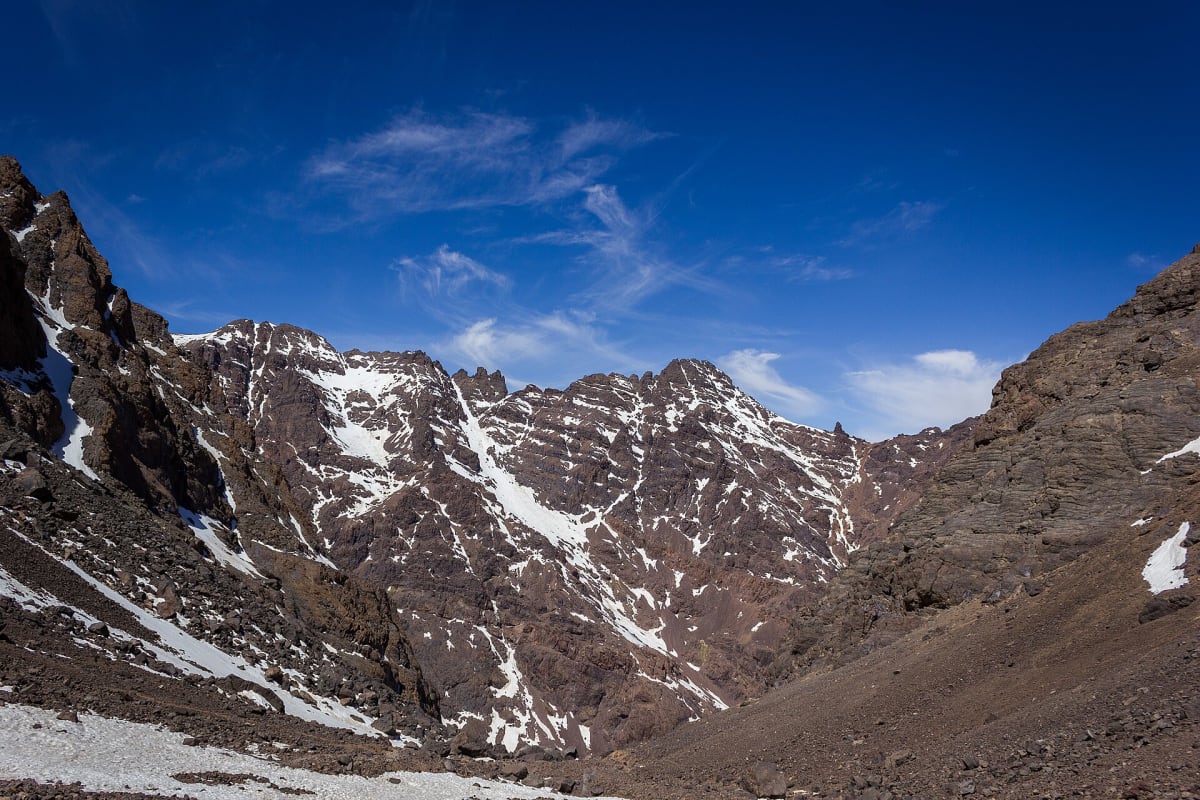
- Trail conditions: in March and April, snow often remains on the upper slopes of Toubkal, sometimes down to the refuge area. Depending on conditions, crampons and an ice axe may be needed. By May, the route is often largely clear, though patches of snow can persist.
- Temperatures: pleasant in the valleys, cold at night and on the summit.
- Who it suits: walkers who love fresh landscapes and are comfortable with the possibility of snow, or who are willing to adapt plans.
Summer (June to August): snow-free but hot below
Summer usually offers the most straightforward, snow-free conditions on the standard route.
- Trail conditions: generally dry, non-technical walking on rock and scree.
- Temperatures: Marrakech can be extremely hot, but it is much cooler in the mountains. Nights at the refuge and summit mornings remain cold.
- Risks: strong sun at altitude, dehydration and afternoon thunderstorms, which can be sudden. Starting early is the best strategy.
- Who it suits: first-time high-altitude walkers looking for the simplest conditions. Expect more people on the trail in July and August.
Autumn (September to November): the local favourite
Many guides consider early autumn the best season of all.
- Trail conditions: usually dry and clear in September and October. The first snows can arrive in late October or November, so conditions change as the season progresses.
- Temperatures: comfortable days and crisp nights. Skies are often exceptionally clear.
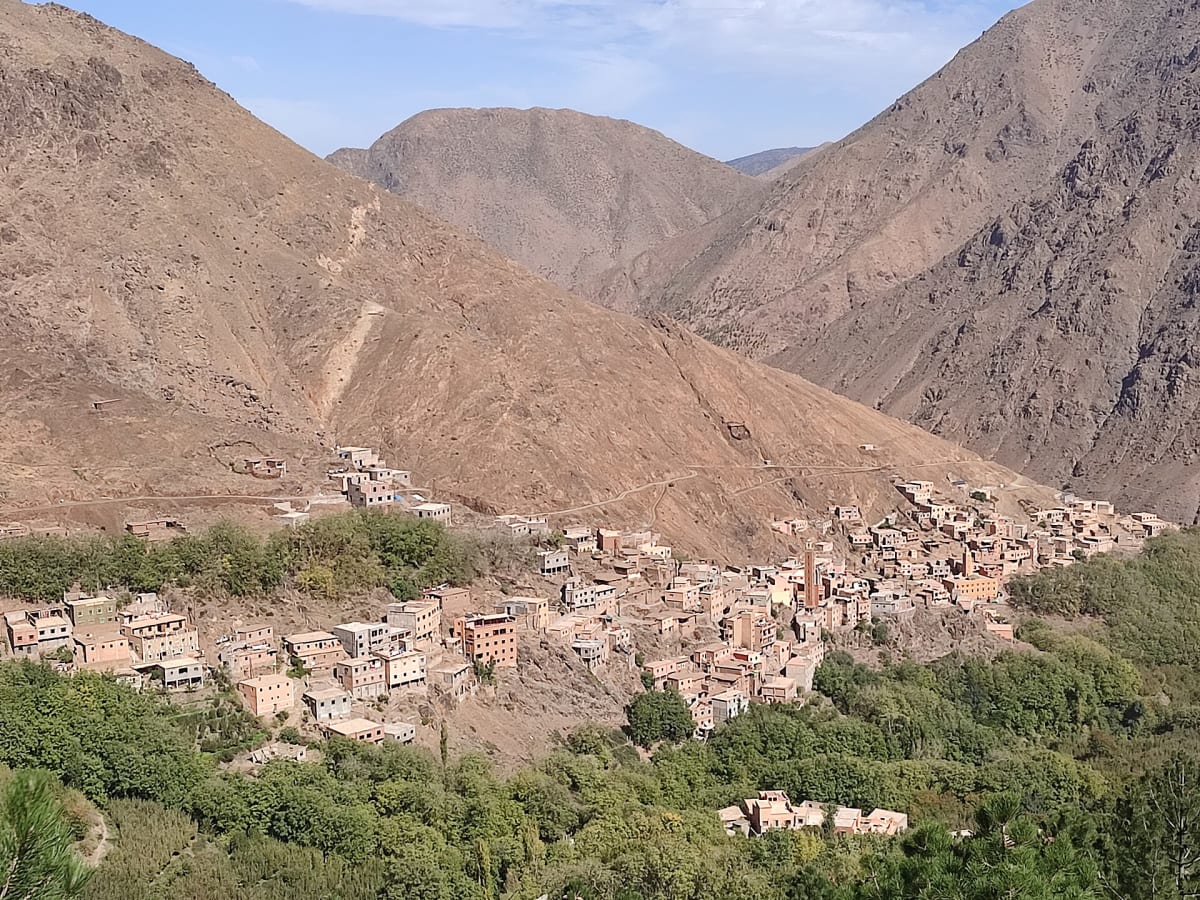
- Bonus: in the valleys, the walnut harvest and golden leaves make autumn wonderful for village walks.
- Who it suits: almost everyone, with a little extra caution in November.
Winter (December to February): a different mountain
In winter, Toubkal becomes a genuine snow and ice ascent.
- Trail conditions: the upper mountain is usually covered in snow and ice. Crampons, an ice axe and the skills to use them are essential, and conditions can be serious.
- Temperatures: very cold at the refuge and on the summit, with strong winds possible.
- Daylight: shorter days leave less margin for the summit push.
- Who it suits: experienced walkers with winter skills, or those prepared to learn under close guidance. For beginners, village walks around Imlil remain beautiful and much safer.
Our Toubkal packing list explains how equipment changes in winter.
Other factors to consider
Ramadan
During Ramadan, many local people fast during daylight hours. Treks continue, but the rhythm of village life changes and evenings become especially social. Dates move by around eleven days each year, so check them when planning.
Crowds
July, August and holiday periods are the busiest times on the trail and in the refuges. Weekdays and shoulder seasons are quieter. Organising your refuge night in advance is wise in any season.
Your own experience
The "best" time is also the time that matches your skills. If you have never walked at altitude, choose a snow-free season and consider a three-day itinerary for better acclimatisation, such as our Toubkal sunrise summit in 3 days. Read our honest answer to is Toubkal suitable for beginners? if you are unsure.
Build in a spare day
Whatever month you choose, try to keep one flexible day in your plans. If a storm is forecast on your summit day, an extra day in the valley lets you wait for better weather instead of taking a risk or giving up. That spare day is rarely wasted: the villages around Imlil offer excellent walks, and a gentle hike at altitude also helps your body acclimatise before the climb.
Quick summary
| Season | Typical conditions | Best for |
|---|---|---|
| Spring | Snow on upper slopes early in the season | Scenery, flexible walkers |
| Summer | Usually snow-free, hot below, storms possible | First-time high-altitude walkers |
| Autumn | Clear skies, first snow later in the season | Most walkers |
| Winter | Snow and ice, very cold | Experienced, equipped walkers |
Plan your ascent
Whatever the season, the right plan makes all the difference. Read our complete guide to Mount Toubkal, compare our two-day Toubkal trek with the three-day option, and ask our team about conditions for your dates — we will give you an honest answer, even if that means suggesting a different month.
Frequently asked questions
What is the best month to climb Toubkal?
For most walkers, late spring (May–June) and early autumn (September–October) offer the best balance of snow-free trails and pleasant temperatures. Conditions vary each year.
Can I climb Toubkal in winter?
Yes, but it becomes a winter mountaineering ascent requiring crampons, an ice axe, warm equipment and experience.
Is Toubkal too hot in summer?
Marrakech can be very hot, but temperatures drop with altitude. Summit mornings are still cold; the main summer risks are sun exposure and afternoon storms.
Ready for the mountains?
Tell us your dates and what you would like to do. We will reply personally with ideas, availability and a clear quote.