Destinations & Culture
Exploring the Natural Beauty of the High Atlas Valleys
The Mizane, Imnane, Ourika and Nfis valleys: how they differ, what makes each one beautiful and how to explore them on foot or on a day out from Marrakech.
Atlas Trek TravelPublished 4 min read
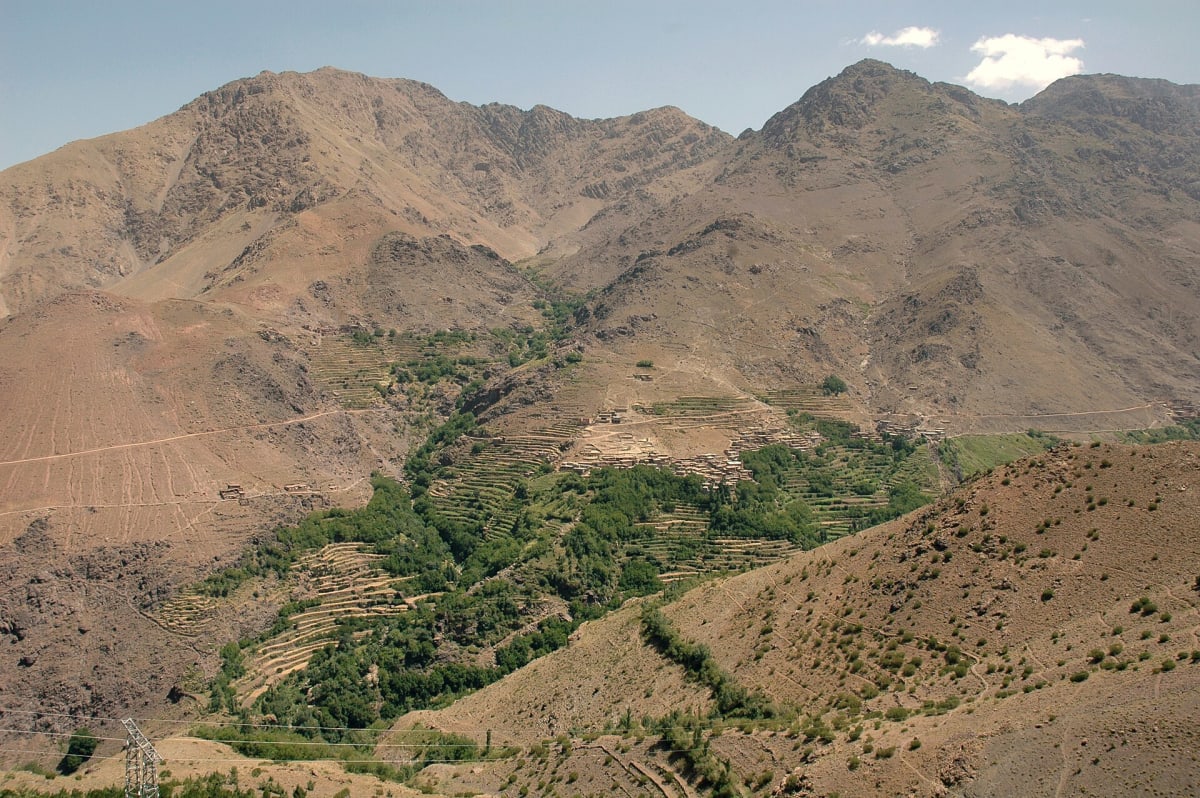
People often imagine the High Atlas as a range of bare, rocky peaks. Those peaks exist — but the real heart of the mountains lies in the valleys between them. Here rivers fed by snowmelt water terraces of barley, maize and vegetables; walnut, apple and cherry trees line the paths; and villages of stone and earth cling to the slopes above. Each valley has its own character, and choosing the right one can transform your trip.
This article introduces four valleys close to Marrakech and explains what makes each special.
Why the valleys are so green
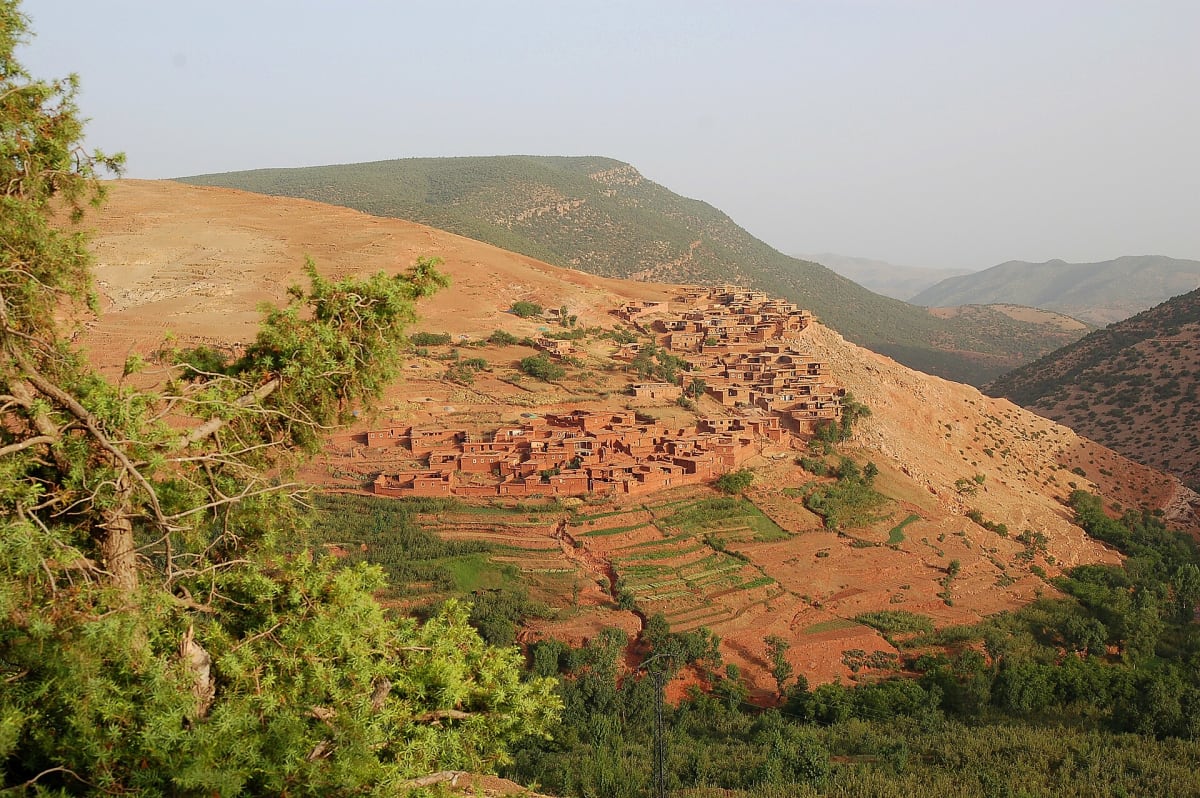
The contrast is striking: dry, ochre mountainsides above, and ribbons of green below. The secret is water management. Snow that falls on the high summits in winter melts slowly through spring, feeding rivers and springs. Villages divert this water into networks of irrigation channels that run along the hillsides, allowing families to cultivate narrow terraces built over generations.
This system shapes everything you see: where villages stand, which crops grow, even the paths you walk on, many of which follow the channels. Understanding it makes every walk richer. We explain more in our article on traditional Berber villages.
The Mizane valley (Imlil)
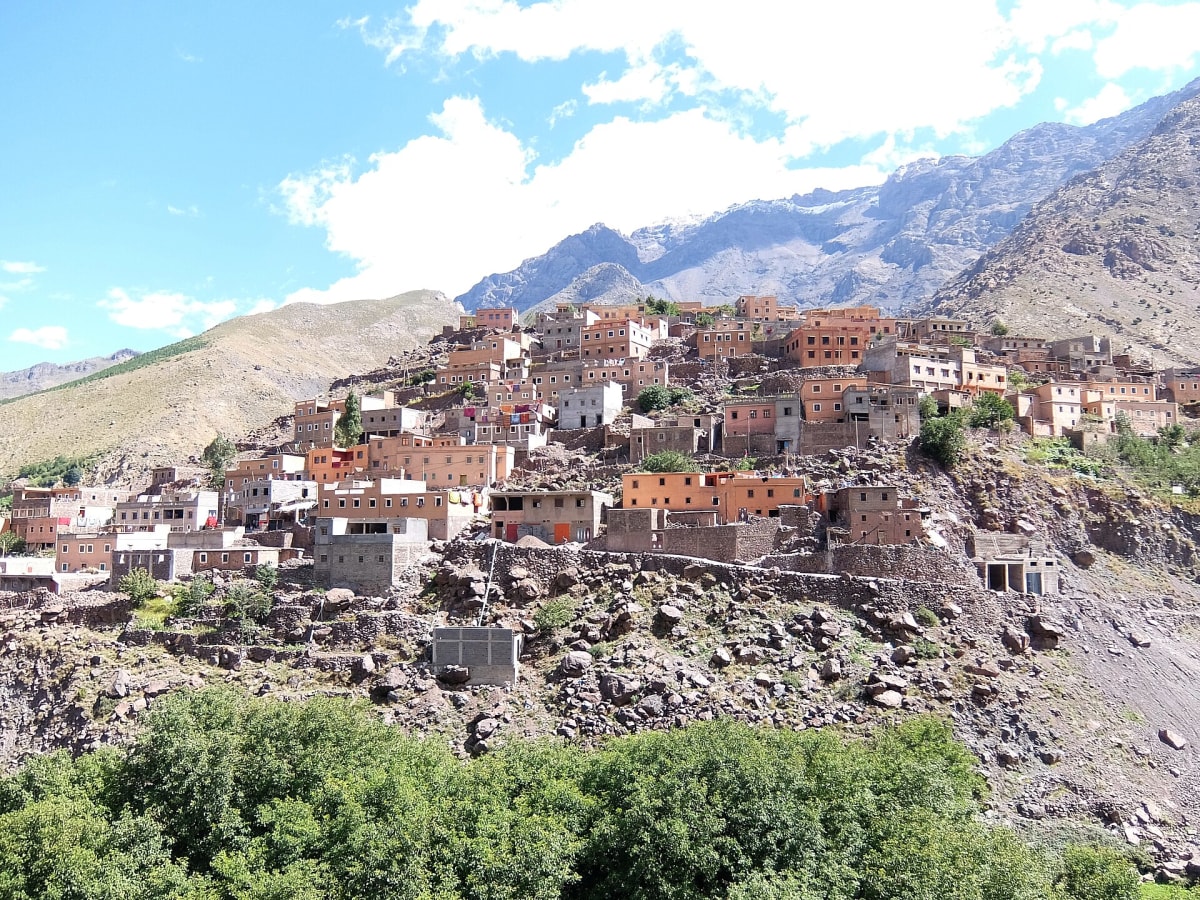
The Mizane valley rises from Asni to Imlil and continues up towards Mount Toubkal. It is the best-known valley of the region, and for good reason.
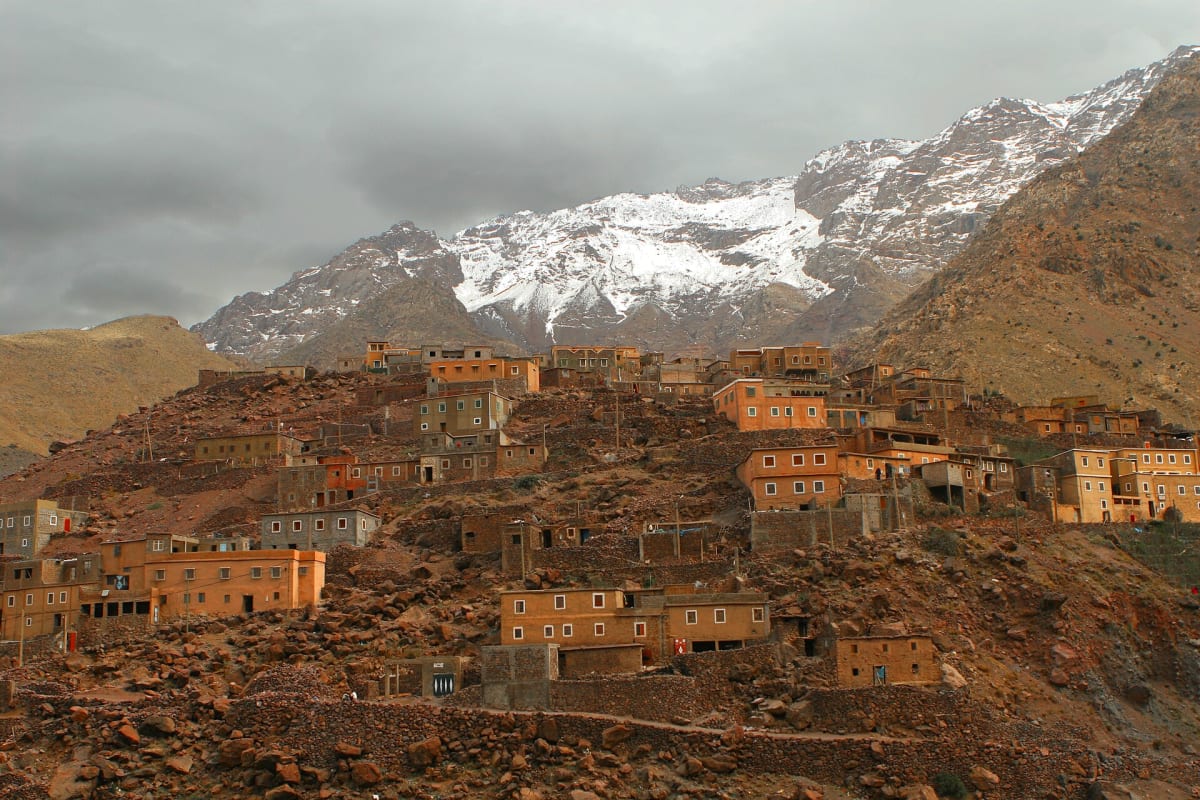
- Landscapes: walnut groves, terraced fields and a dramatic backdrop of high peaks, often snow-capped in winter and spring.
- Villages: Imlil, Aroumd, Aït Souka and many smaller hamlets connected by mule paths.
- Walking: everything from one-hour strolls to the two-day Toubkal ascent.
It is the ideal base for a first visit to the mountains. Discover it on our Imlil destination page or on our Imlil valley day hike.
The Imnane valley
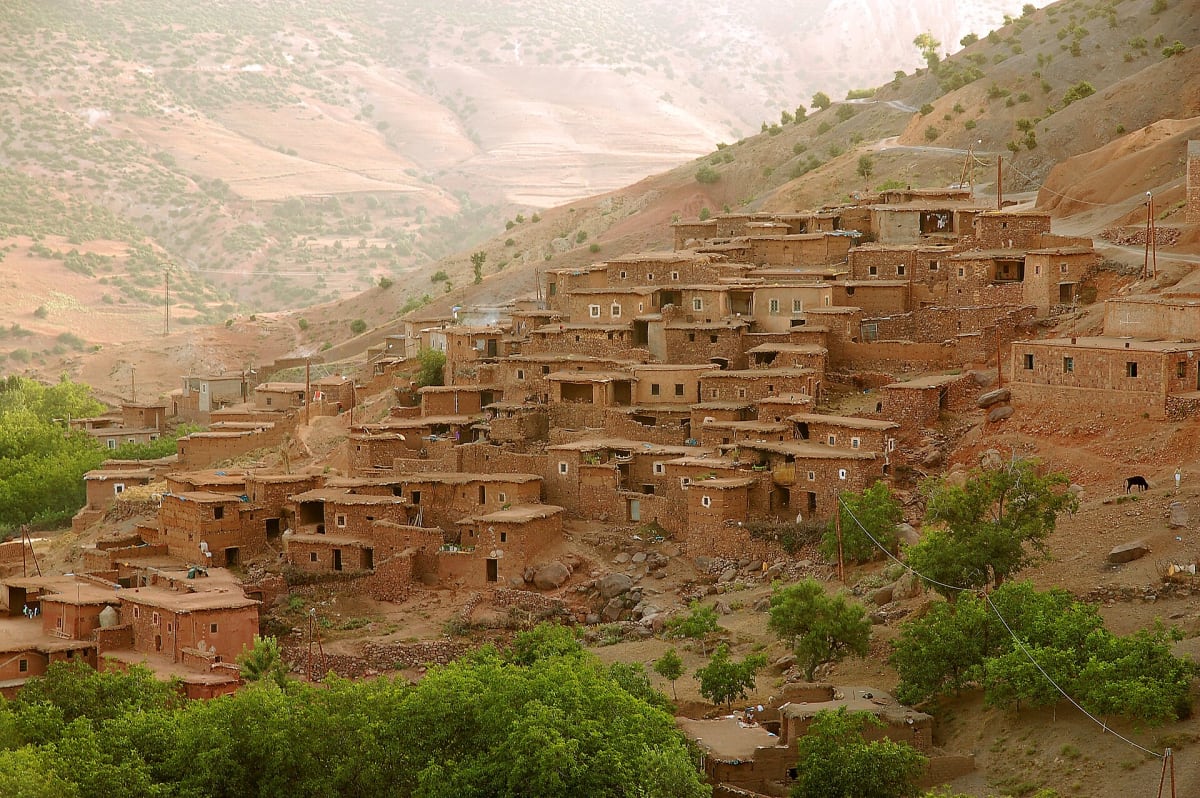
East of Imlil, across a mountain pass, lies the quieter Imnane valley. It feels more remote, with fewer visitors and a strong sense of traditional agricultural life.
- Landscapes: a broad valley floor of terraces framed by steep slopes.
- Access: usually reached on foot from Imlil over a pass, which makes it a natural part of multi-day treks.
- Why go: for walkers who want to step away from the busiest trails and see how life continues in the mountains.
Our High Atlas multi-day trek can be designed to include the Imnane valley.
The Ourika valley
South-east of Marrakech, the Ourika valley is the closest green mountain valley to the city.
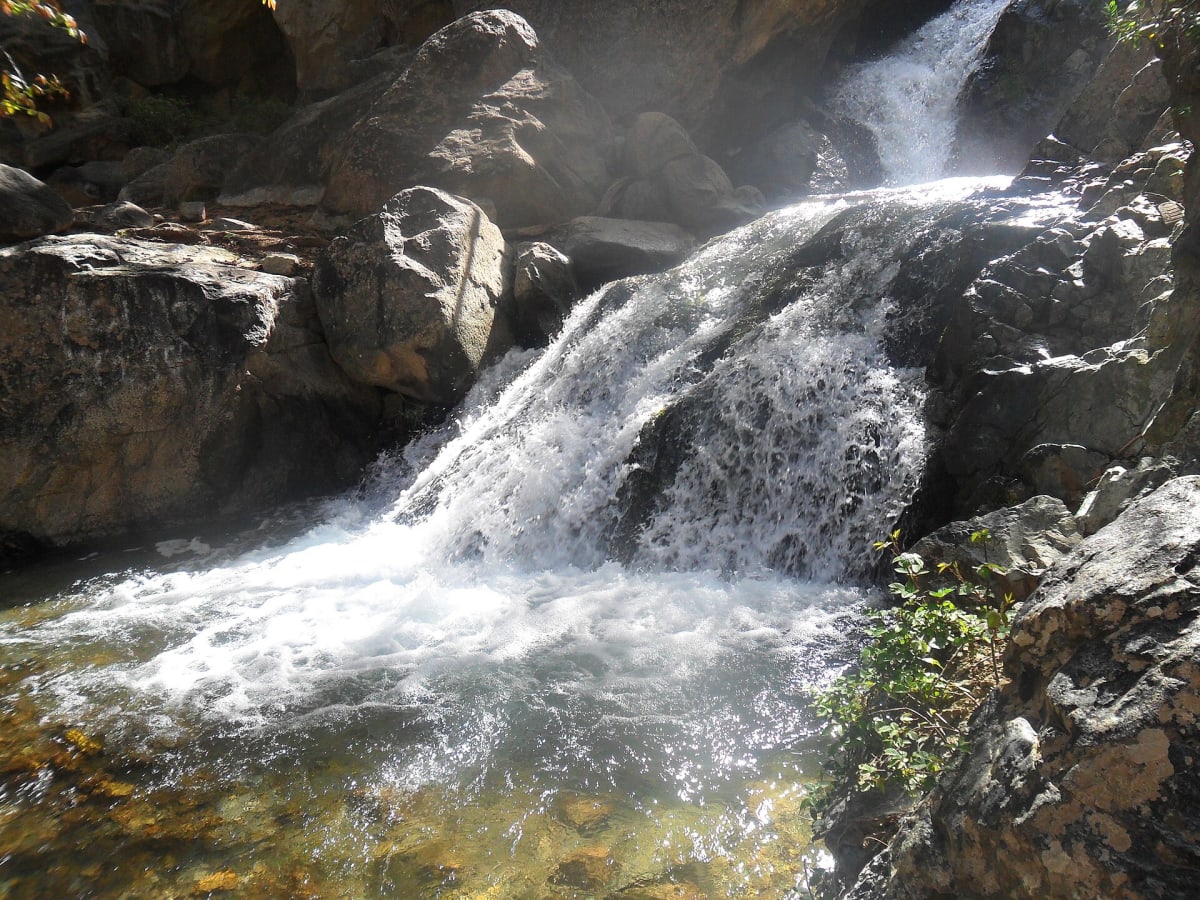
- Landscapes: a fast-flowing river, poplar and walnut trees, red slopes and riverside villages.
- Highlights: the series of cascades above the village of Setti Fatma, reached by a short but rocky path.
- Atmosphere: lively and popular, especially at weekends, with riverside restaurants.
- Caution: summer and autumn storms can make the river rise quickly. Follow local advice near the water.
It is a good option for a shorter day out. See our Ourika valley guide and our private transfer to the Ourika valley.
The Nfis valley (Ouirgane)
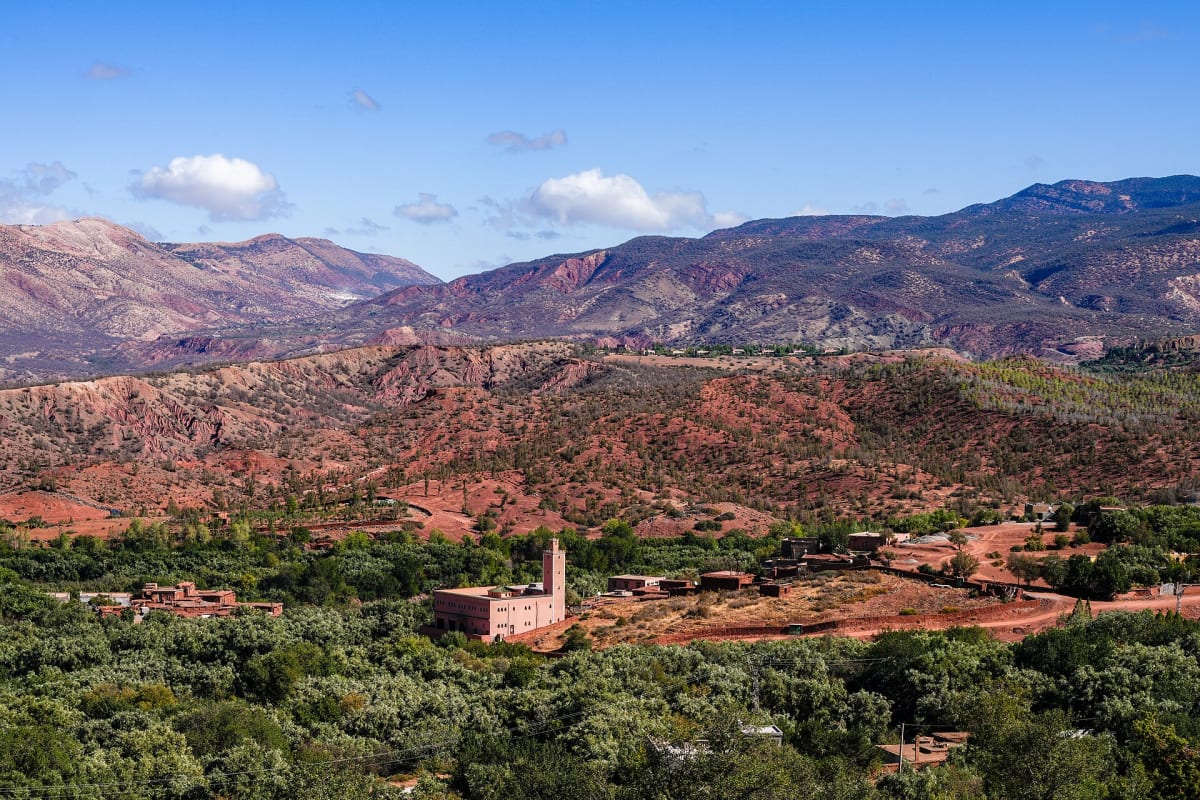
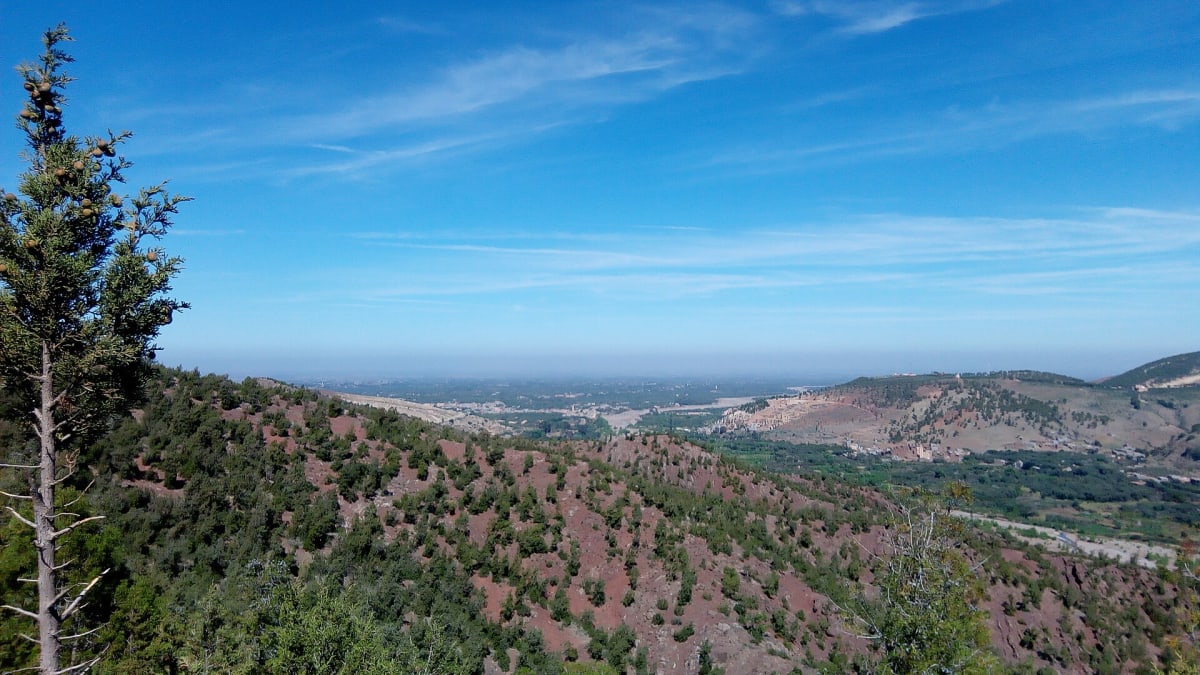
West of Asni, the R203 road follows the Nfis river towards the Tizi n'Test pass. Around Ouirgane, the landscape becomes softer and lower.
- Landscapes: red and ochre hills, olive and almond trees, pine and juniper woodland and a reservoir on the river.
- Walking: gentle and moderate walks between hamlets and up to viewpoints.
- Atmosphere: calm and pastoral, ideal for travellers seeking quiet rather than summits.
Villages in this area were close to the epicentre of the September 2023 earthquake, and reconstruction has been ongoing since. Learn more on our Ouirgane page.
Comparing the valleys at a glance
| Valley | Best for | Distance from Marrakech |
|---|---|---|
| Mizane (Imlil) | First visits, hiking, Toubkal | about 65 km |
| Imnane | Quiet trekking, traditional life | on foot from Imlil |
| Ourika | Short day trips, waterfalls | about 63 km to Setti Fatma |
| Nfis (Ouirgane) | Gentle walks, relaxed stays | about 65 km |
When to see the valleys at their best
- Spring brings blossom, fresh green terraces and full streams.
- Early summer is lush in the valleys while the city heats up.
- Autumn offers golden walnut trees, harvests and clear skies.
- Winter can be beautiful and quiet, with snow on the peaks above bare orchards.
Exploring responsibly
The valleys are farmed land as well as beautiful landscapes. Stay on paths, especially along irrigation channels and terraces; close any gates; and do not pick fruit from trees — every tree belongs to someone. A local guide will show you which paths to use and explain what you are seeing, from crops to customs. The wider principles of Leave No Trace are a helpful reminder wherever you walk.
How to explore the valleys
- On a day trip from Marrakech, with a private driver and a guided walk — see our private day trip to Imlil.
- From a mountain base, staying in Imlil and walking in a different direction each day — read the best hiking trails around Imlil.
- On a multi-day trek, crossing passes from one valley to the next — read our introduction to the High Atlas.
Start planning
Each valley offers a different side of the High Atlas. Tell us what kind of landscapes you love and how much time you have, and our team in Imlil will recommend the right valley — or the right combination. Contact us to start planning.
Frequently asked questions
Which High Atlas valley is best for a first visit?
The Imlil (Mizane) valley offers the most variety: easy village walks, views of Toubkal and many longer options. The Ourika valley is closest to Marrakech for a short day out.
Are the valleys green all year?
The irrigated valley floors stay green for much of the year, especially in spring and early summer. In winter, orchards are bare and the high slopes may be snowy.
Can I visit several valleys in one trip?
Yes. Valleys can be linked on foot over mountain passes on a multi-day trek, or by road with a private driver.
Ready for the mountains?
Tell us your dates and what you would like to do. We will reply personally with ideas, availability and a clear quote.